Table of Contents

For international buyers scouting the Northern Costa Blanca, Benissa often presents a delightful dilemma. Unlike its neighbors Calpe (predominantly high-density coastal) or Jalón (exclusively inland), Benissa straddles both worlds with remarkable elegance. As we approach the 2026 property cycle, the divergence between these two markets—Benissa Costa and the 'Partidas' (countryside zones)—is becoming more pronounced in terms of pricing, regulation, and lifestyle.
Whether you are drawn to the rental yields of a beachside villa or the capital appreciation of a renovated farmhouse, understanding the distinct micro-markets is essential. This guide provides a granular look at what to expect in the coming year.
1. Benissa Costa: The Blue Market
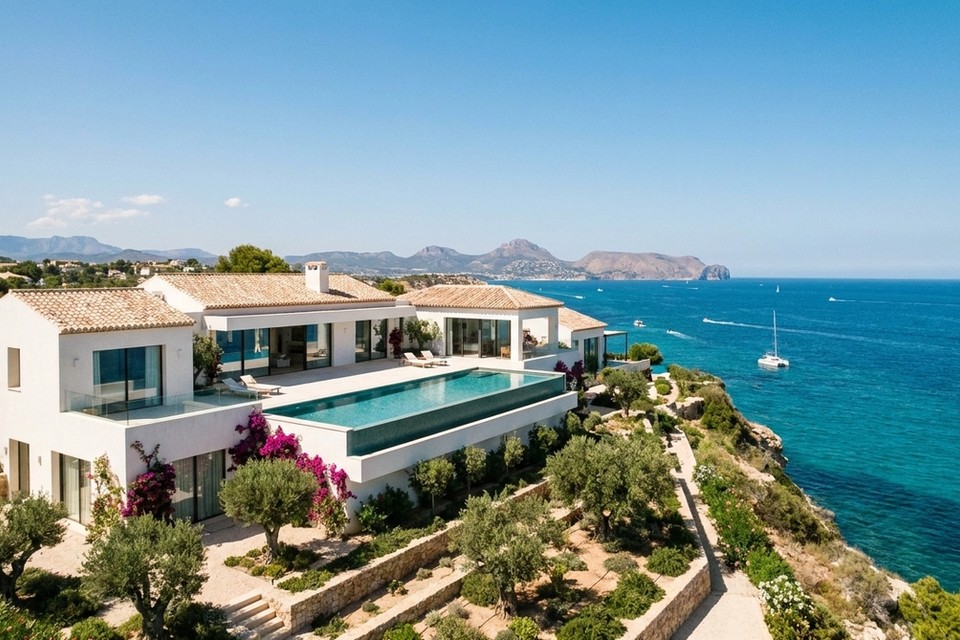
Benissa Costa is not a continuous urban sprawl but a series of low-density urbanizations clinging to roughly 4 kilometers of dramatic coastline. Key areas include La Fustera, Baladrar, and Advocat. This area is highly prized for its proximity to Moraira while often offering slightly better value per square meter.
The 2026 Coastal Outlook
The coastal market is characterized by high liquidity. Properties here, particularly those with sea views or within walking distance to a 'Cala' (cove), command a premium. For 2026, we anticipate a stabilization of prices after the post-pandemic surge, but with continued scarcity of prime plots.
- Target Demographic: Short-term holidaymakers, retirees wanting walkability, investors seeking rental yields.
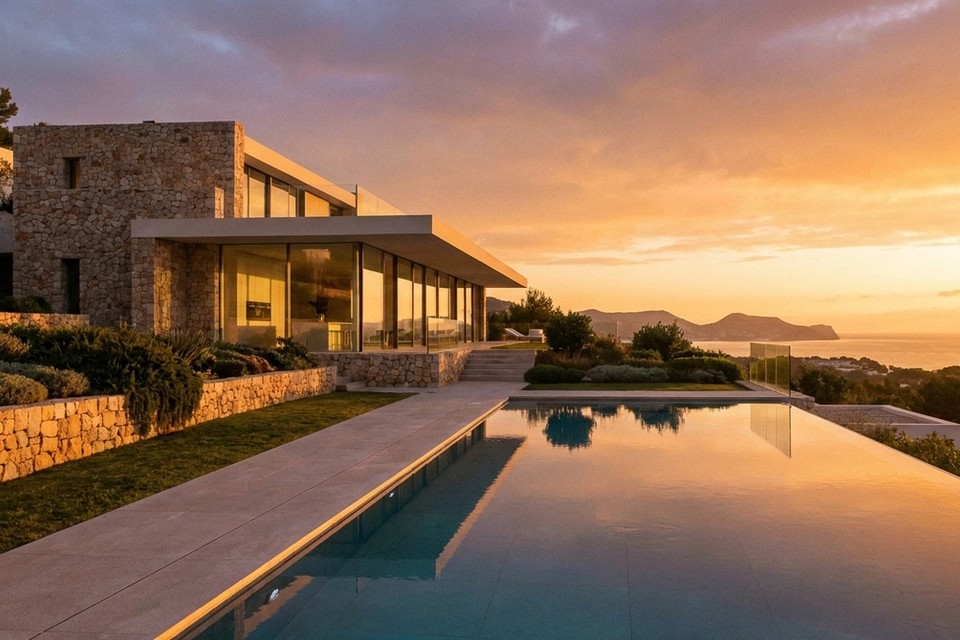
- Architectural Style: A mix of traditional 1980s villas (ripe for renovation) and ultra-modern 'Ibiza-style' new builds.
- Infrastructure: Mains sewage, fiber optics, and sidewalks are standard in areas like La Fustera, which is a key selling point for Northern European buyers.

2. Benissa Countryside: The Green Market
Driving just 10 minutes inland, the scenery transforms into terraced vineyards, almond groves, and pine forests. Areas such as Pedramala, Benimarco, and Quisi offer a completely different value proposition. Here, the currency is privacy, space, and silence.
The Appeal of the 'Partidas'
The countryside market appeals to those seeking the 'Authentic Spain.' The plots are significantly larger—often exceeding 10,000 square meters to comply with rustic land laws—offering a level of seclusion impossible to find on the coast.
- Target Demographic: Permanent residents, equestrian lovers, and privacy-focused High Net Worth Individuals (HNWIs).
- Views: While you may lose the sound of the waves, areas like Pedramala offer commanding panoramic views of the Peñón de Ifach that rival any frontline property.
- Value: You generally get more 'house' for your money, but maintenance costs for land and pools can be higher.
3. Price Analysis: What 1 Million Euros Buys You
To illustrate the market divergence expected in 2026, let us look at a comparative purchase power scenario.
On the Coast (La Fustera / Baladrar):
For €1M, you are likely looking at a 3-4 bedroom detached villa on an 800-1,000 sqm plot. It will likely be a renovated older build or a compact new build. Sea views are possible but may be partial. The primary value is in the land location and rental potential (approx. €2,500 - €4,000 per week in high season).
In the Countryside (Lleus / Pinos):
For the same budget, you can acquire a substantial Finca (country estate) on 5,000 to 10,000 sqm of land. Expect 4-5 bedrooms, a large private pool, summer kitchen, and perhaps olive groves. The property likely has historical character, stone walls, and total privacy. However, holiday rental legality can be stricter on rustic land.

4. Legal & Zoning Considerations for 2026
The regulatory landscape is the most critical technical difference between the two zones. Benissa's town hall has become increasingly strict regarding rural development to preserve the landscape.
Suelo Urbano (Coast)
Buying here is straightforward. The land is zoned for building. However, check for 'Infracción Urbanística' (planning infractions) on older villas where pools or extensions may have been built without licenses. The 2026 regulations will likely push for higher energy efficiency certifications on sales.
Suelo Rústico (Countryside)
This is where expert legal advice is non-negotiable. To build a new home, you generally need a minimum of 10,000 sqm. Many older properties sit on smaller plots; while the house is legal (existing), you may not be allowed to extend the footprint or add a pool if one doesn't exist. Furthermore, septic tanks must meet modern environmental standards (total oxidation systems) to obtain an inhabitation license.
5. Lifestyle: Cosmopolitan vs. Traditional
Living on the coast means convenience. You have supermarkets, international chiringuitos, and pharmacy access within minutes. It is a cosmopolitan bubble where English, Dutch, and German are spoken as frequently as Spanish. It is lively, sometimes noisy in August, and very social.
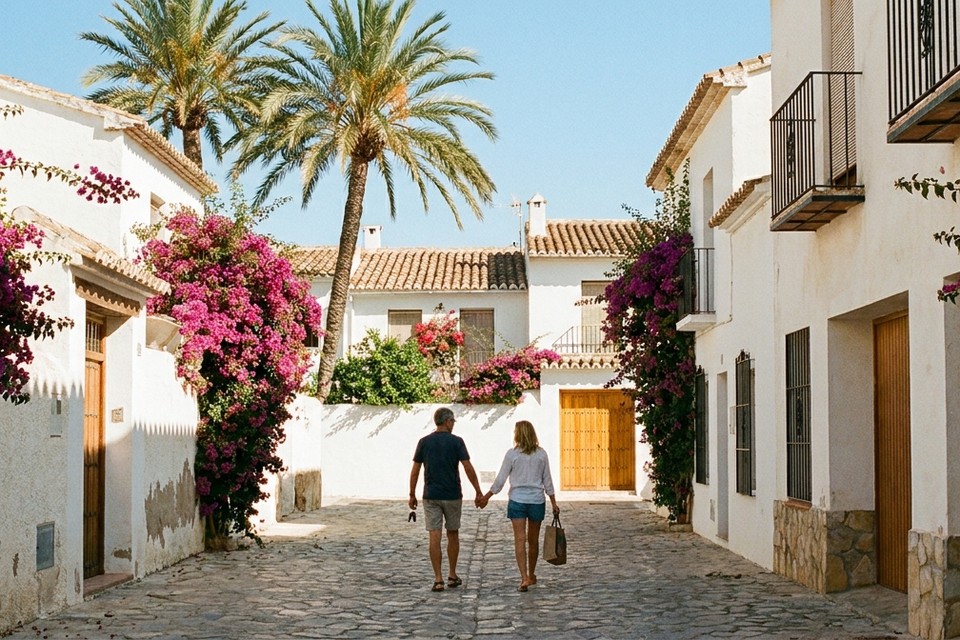
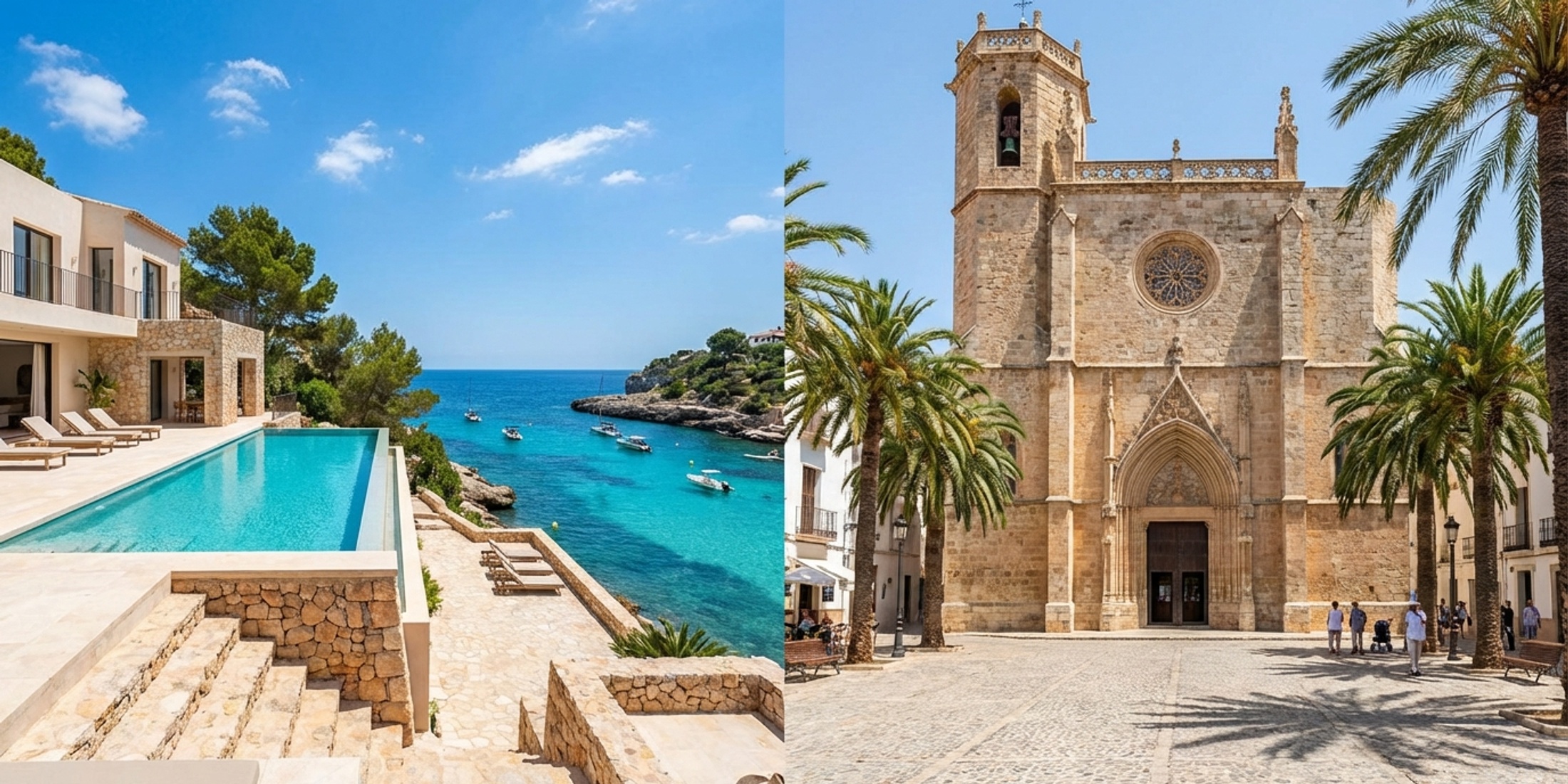
The countryside offers a slower rhythm. You are closer to the historic Benissa Pueblo, with its magnificent 'Cathedral of the Marina Alta' and Saturday markets. The community is more integrated with local Spanish culture. The trade-off is the need to drive for amenities; a pint of milk is a 10-minute car journey, not a 5-minute walk.
Conclusion: Which is Your 2026 Investment?
Ultimately, the choice between Benissa Coast and Countryside is less about financial metrics and more about lifestyle intent. If your goal is a 'lock-up-and-leave' holiday home with high rental turnover, the Coast remains the champion. However, if you seek a permanent residence with space to breathe, profound privacy, and a connection to the land, the Countryside offers a quality of life that is increasingly rare in Europe.
As we move into 2026, both markets show resilience. The key is to define your priorities: the convenience of the blue zone, or the tranquility of the green.