
For many prospective buyers from the Netherlands, the UK, and Scandinavia, the concept of winter carries a specific connotation: grey skies, freezing rain, and short days. The Costa Blanca offers a radical departure from this norm. It is not merely about escaping the cold; it is about embracing a season that many residents consider the finest time of the year.
As a real estate professional in this region, I frequently field questions about the "off-season." Is it a ghost town? Do I need central heating? Can I swim in the sea? This guide provides a transparent, data-driven look at life on the White Coast from December through March.
The Microclimate: Fact vs. Fiction
The Costa Blanca is recognized by the World Health Organization (WHO) as having one of the healthiest climates in the world. This is not marketing hyperbole; it is a geographical reality caused by the mountainous interior buffering the coast from cold continental fronts.
The Data
During January and February—statistically the coldest months—the average daytime temperature hovers between 16°C and 20°C (61°F - 68°F). While nights can drop to 6°C or 8°C, frost is exceptionally rare along the immediate coastline.
More importantly, the region enjoys approximately 320 days of sunshine per year. In winter, this translates to roughly 6 to 7 hours of functional sunshine daily. Compare this to London or Amsterdam, which may see less than 2 hours of sun per day during the same period, and the lifestyle implications become clear.

The Outdoor Lifestyle: January is the New May
In Northern Europe, life moves indoors during winter. In the Costa Blanca, it remains firmly outside. The lower humidity and cooler air make this the optimal season for active pursuits that are often too strenuous during the 35°C heat of August.
Golf and Cycling
The region is a winter training ground for professional cycling teams and a haven for golfers. Courses like Las Colinas or La Sella are in peak condition, and tee times are comfortable throughout the day.
The Almond Blossoms
One of the most spectacular natural events occurs in late January and early February: the blooming of the almond trees. The valleys, particularly the Jalón Valley (Vall de Pop), are carpeted in pink and white blossoms. It is a time for hiking, photography, and local festivals that celebrate the harvest.
Home Comforts: What Buyers Need to Know
While the days are warm, the nights do get chilly, and Spanish construction has historically prioritized keeping heat out rather than keeping it in. For international buyers planning to reside here during winter, specific property features become non-negotiable.
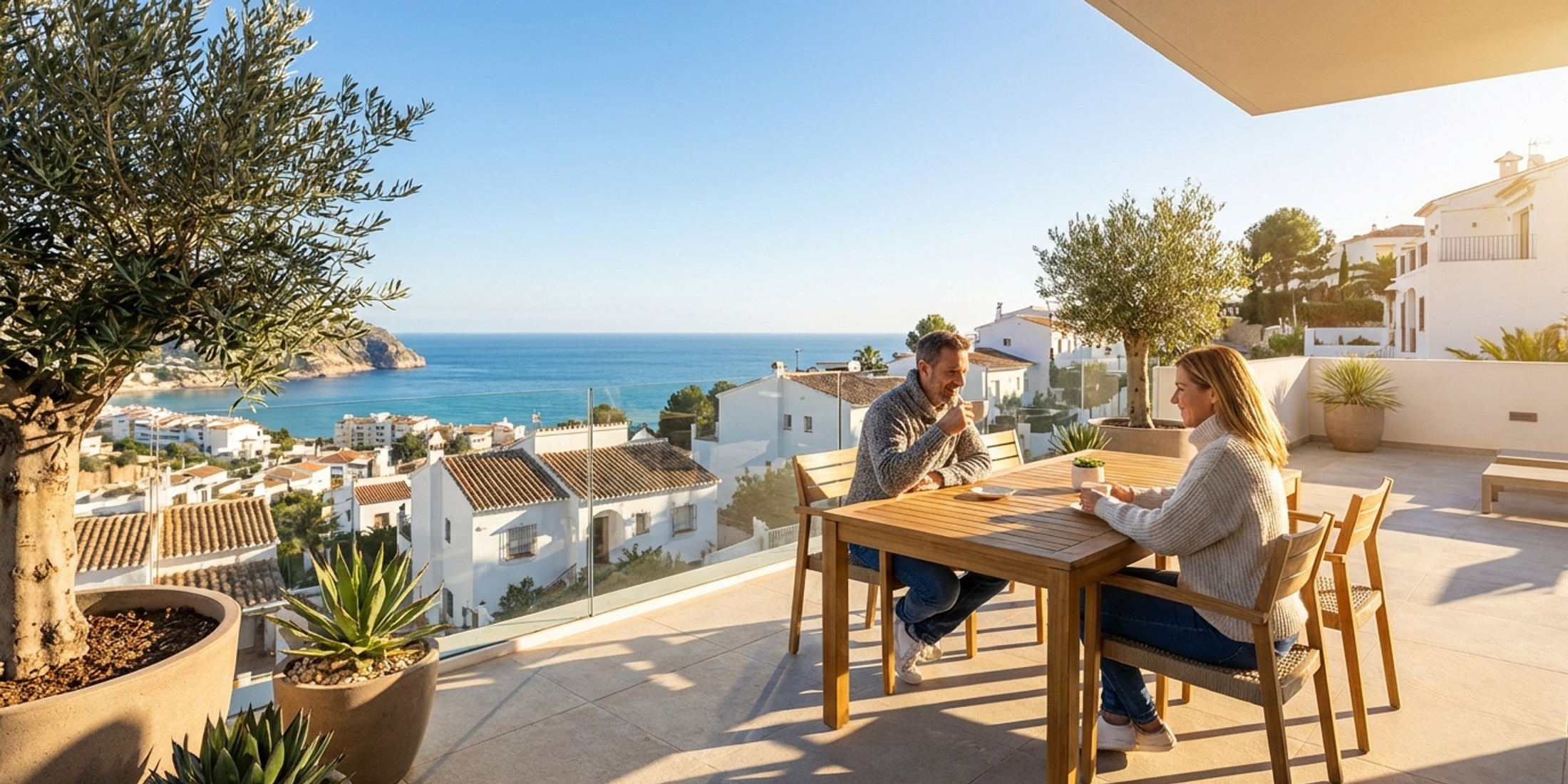
- Orientation is Critical: A south-facing property is worth a premium. In winter, the lower angle of the sun means a south-facing terrace can reach 25°C, passively heating your living room. A north-facing apartment will feel significantly colder and damper.
- Heating Systems: Do not rely solely on 'hot/cold' air conditioning units. For year-round living, look for properties with underfloor heating (highly efficient with heat pumps) or central radiators.
- Glazing: Ensure the property has double glazing (climalit). This is standard in new builds but may need upgrading in older resale villas.

Regional Differences: North vs. South
The Costa Blanca is not a monolith; the weather varies slightly between the North (Denia, Javea, Altea) and the South (Torrevieja, Orihuela Costa).
The North is greener and more mountainous. Consequently, it can attract slightly more rainfall in winter, which keeps the landscape lush. The South is flatter and drier, influenced heavily by the salt lakes, creating an extremely arid microclimate that is often recommended for rheumatism and asthma sufferers.
Social Life and Culture
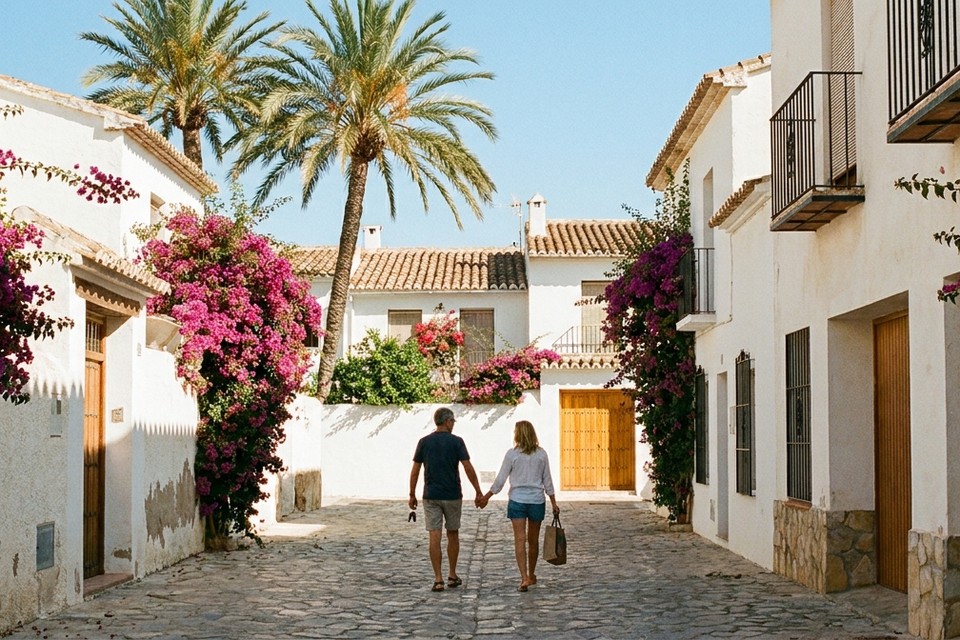
Unlike some smaller holiday islands that shut down in October, the Costa Blanca functions year-round. The large resident expat community ensures that restaurants, markets, and shops remain open.
Culturally, winter is festive. The Spanish celebrate Christmas deeply, but the main event is 'Los Reyes Magos' (The Three Kings) on January 5th. Every town hosts a parade where the Kings arrive—sometimes by camel, sometimes by boat—throwing sweets to the crowds. It is a magical time to be in Spain, devoid of the summer tourist crush but full of local life.
Conclusion: The Best Time to View
We often advise our clients that winter is the most honest time to view property. In summer, every house looks inviting under the intense sun. In winter, you can assess the true build quality, the effectiveness of the heating, and the importance of orientation.
If you are considering a property purchase, visiting between November and February will give you a realistic taste of the lifestyle—and you will likely find that 'winter' here is warmer than a spring day back home.