Table of Contents

For decades, the Region of Murcia—often referred to as the Costa Calida—was viewed as the 'budget-friendly' alternative to the Costa Blanca. However, as we approach 2026, this narrative has shifted dramatically. The region has matured into a sophisticated market characterized by high-end sustainable developments, improved connectivity, and a preservation of authentic Spanish culture that is increasingly rare in coastal hubs.
For international investors, particularly those from Northern Europe, the question is no longer about affordability alone; it is about value retention and lifestyle ROI. In this comprehensive analysis, we explore the key trends driving the Costa Calida property market into 2026.
1. Price Trajectory: The Closing Gap
While the Costa Calida remains more competitively priced than Marbella or Mallorca, the price-per-square-meter gap is narrowing. The 'undervalued' status of the region is correcting itself due to a supply-demand imbalance in premium inventory.
The Premium on New Builds
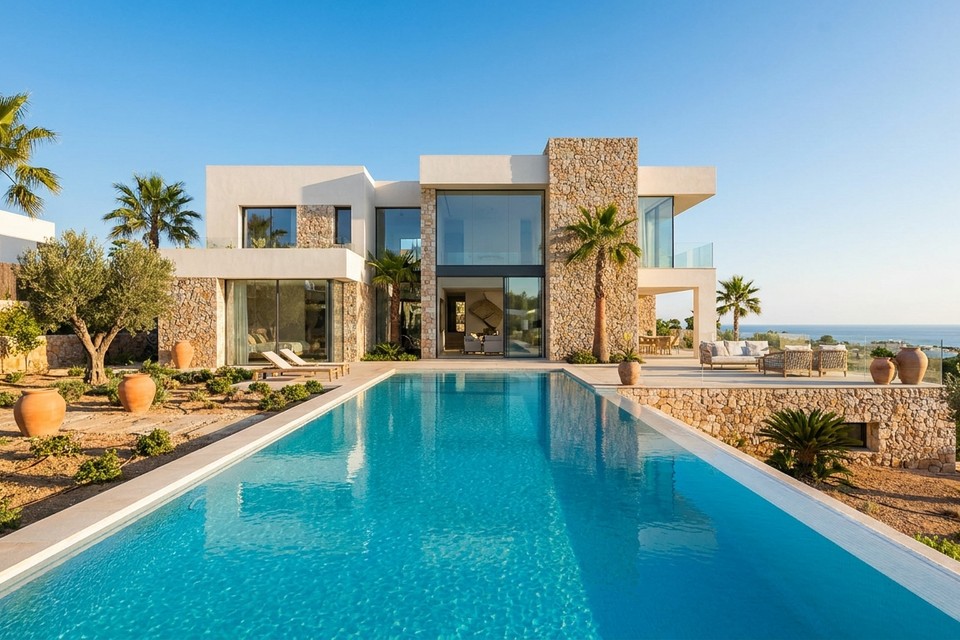
The 2026 outlook indicates a divergence between resale properties and new developments. Older stock in need of renovation is seeing stable, modest growth. In contrast, A-rated energy-efficient new builds are commanding significant premiums. Buyers are increasingly prioritizing turnkey solutions that mitigate rising energy costs and adhere to stricter EU green building standards.

2. The Renaissance of Resort Living
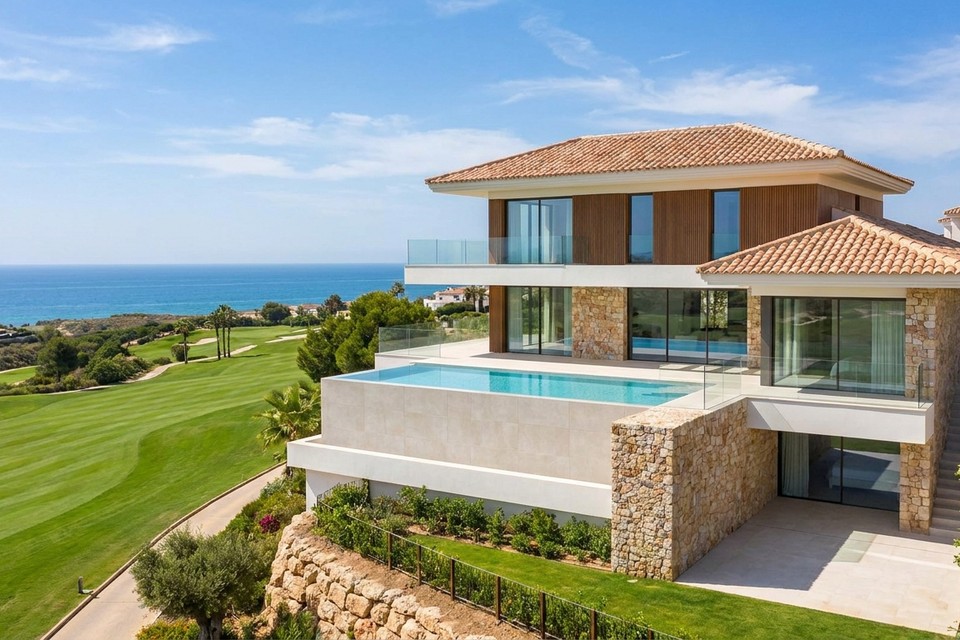
One of the most defining trends for the 2026 cycle is the revitalization of the 'Golf Resort' concept. Following the challenges of the 2008 crisis, many resorts lay dormant. Today, they are the engines of the region's luxury market.
We are witnessing a move away from dense apartment blocks toward low-density villas with private pools and landscaped gardens. Key examples driving investor interest include:
- Santa Rosalia Lake and Life Resort: This development has redefined the inland market by focusing on massive artificial lagoons and green zones rather than just golf.
- Altaona Golf & Country Village: Located near Murcia city, offering low-density luxury living with a focus on wellness and nature integration.
- La Manga Club: Continuing to hold its status as the 'Old Money' choice for sports enthusiasts, maintaining high rental yields.
3. Infrastructure Maturity and Connectivity
Real estate values are intrinsically linked to accessibility. By 2026, the 'infrastructure lag' that previously held Murcia back will have largely dissipated.
The AVE Effect
The arrival of the AVE high-speed train to Murcia City has been a game-changer, connecting the capital to Madrid in under three hours. This has opened the market not just to international buyers, but to domestic investors from Madrid looking for second homes, thereby increasing liquidity in the market.
Corvera Airport (RMU) Stability
Initially struggling to gain traction, the Region of Murcia International Airport is steadily increasing its flight connections. For 2026, we anticipate expanded routes from the UK and Central Europe, reducing the reliance on Alicante airport and boosting property values in the immediate vicinity of the Mar Menor.

4. Coastal Hotspots vs. Inland Gems
Where should capital be deployed in 2026? The market is bifurcating into two distinct investment profiles.
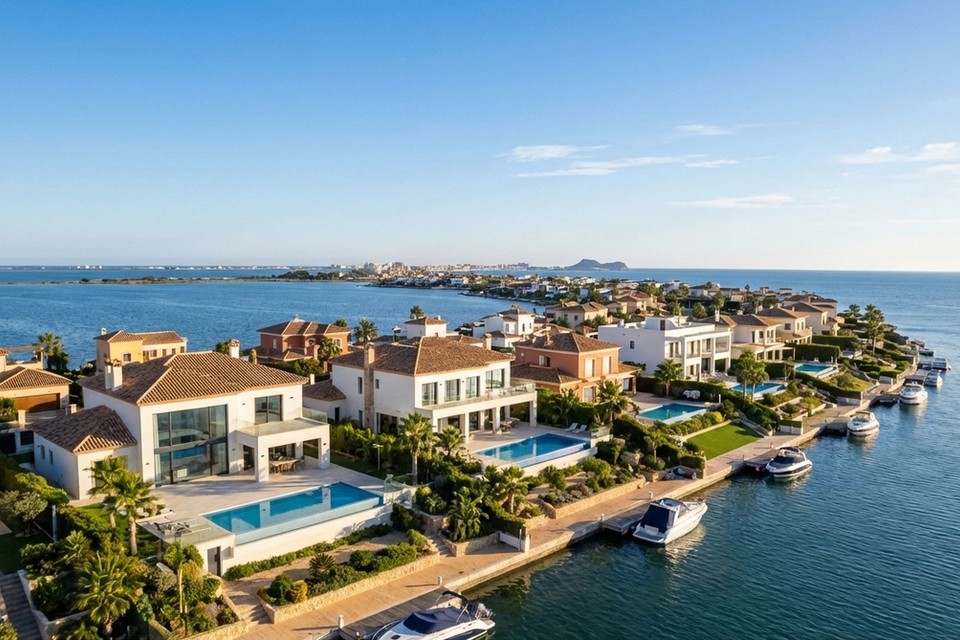
- The Coastal Strip (Los Alcázares, San Pedro del Pinatar): These areas remain the primary choice for rental investors. The demand for short-term holiday lets remains robust. However, flood-risk mitigation infrastructure is a key due diligence point for buyers here.
- The Heritage Cities (Cartagena, Lorca): An emerging trend is the 'urban cultural' buyer. Cartagena, with its Roman theatre and cruise ship port, offers a year-round city lifestyle that appeals to the digital nomad demographic and retirees who prefer culture over golf.
5. Legal and Regulatory Landscape
Navigating the 2026 market requires awareness of the evolving legal framework in Spain. While the core property rights remain among the strongest in Europe, tax nuances are critical.
The Region of Murcia has historically maintained a favourable tax environment compared to other autonomous communities. For 2026, we advise monitoring changes to the ITP (Property Transfer Tax) and potential incentives for energy-efficient retrofitting. Furthermore, for non-EU buyers, the evolving criteria of residency visas remains a pivotal factor in decision-making.
Conclusion: A Mature Market for the Discerning Buyer
The Costa Calida of 2026 is no longer the 'cheap' option; it is the 'smart' option. The market has moved beyond speculative buying into a phase of sustainable growth, driven by infrastructure improvements and high-quality construction.
For the international investor, the window to acquire premium assets at values below the national coastal average is still open, but it is closing. The focus now should be on location specificity—prioritizing gated resorts with amenities or prime coastal plots—and strict adherence to energy efficiency standards.