
The Spanish property market has undergone a significant transformation. Historically, a 'luxury' villa in Spain might have been defined simply by its size or its proximity to the sea. However, the influx of sophisticated investors from the Netherlands, Scandinavia, the UK, and Germany has raised the bar. Today’s buyers are looking for properties that blend the relaxed Mediterranean lifestyle with Northern European standards of construction, technology, and efficiency.
For the modern investor, a luxury villa is not just a building; it is a lifestyle enabler. Whether searching in the Costa del Sol, Costa Blanca, or the Balearic Islands, specific features have shifted from 'desirable' to 'non-negotiable'. Here is an authoritative look at what currently drives the high-end market.
1. Seamless Indoor-Outdoor Living
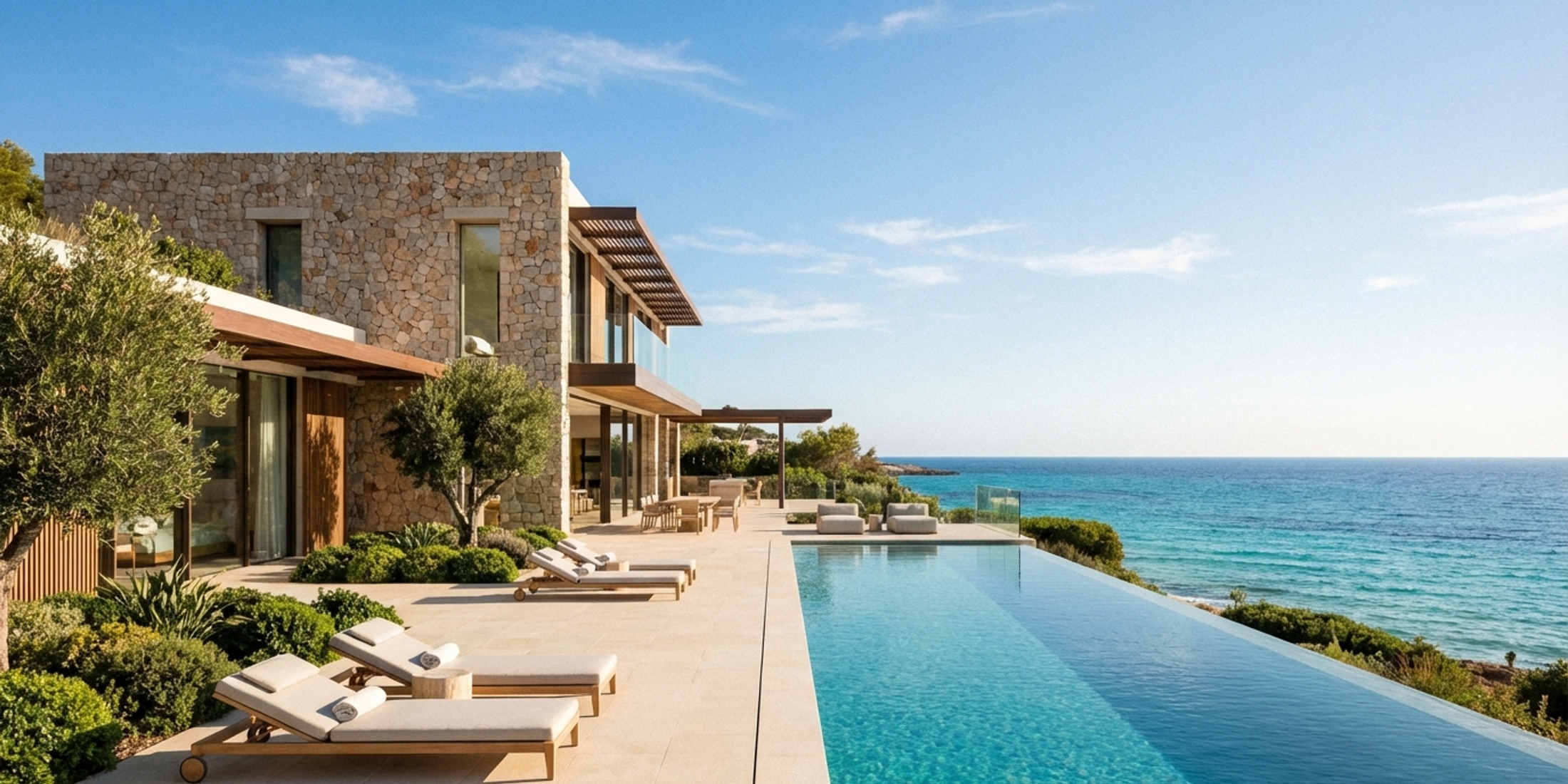
The primary allure of Spain is its climate. Consequently, the most sought-after villas are those that dissolve the boundaries between the interior and the exterior. This goes beyond a simple patio door; buyers want floor-to-ceiling glass walls that retract completely, extending the living room onto the terrace.
The Importance of the 'Naya'
The traditional Spanish 'Naya' (covered terrace) has been reimagined. Modern luxury villas feature expansive, cantilevered overhangs that provide shade without obstructing views. These spaces are now fully furnished outdoor living rooms, often equipped with:
- Integrated outdoor heating for winter evenings.
- High-end outdoor kitchens with BBQs, fridges, and wet bars.
- Automated bioclimatic pergolas that adjust to sunlight and rain.
2. Advanced Sustainability and Energy Efficiency
Ten years ago, energy ratings were an afterthought. Today, they are a dealbreaker. Driven by high energy costs and a growing environmental consciousness, foreign buyers prioritize sustainability. A luxury villa must perform efficiently.

Key requirements include aerothermal systems (air source heat pumps) which provide underfloor heating, cooling, and hot water at a fraction of the cost of traditional methods. Furthermore, photovoltaic solar panels with battery storage systems are increasingly expected, allowing the property to operate semi-independently from the grid.
3. Smart Home Domotics
A true luxury home in 2025 is a 'Smart Home'. Buyers expect full control of their property via smartphone, regardless of whether they are in the living room or back in their home country. This remote management is particularly crucial for second-home owners.
Essential domotic features include:
- Zoned climate control (Airzone).
- Automated lighting scenes (Lutron or KNX systems).
- Remote security monitoring and access control.
- Automated blinds and curtains.
4. Wellness and Leisure Amenities
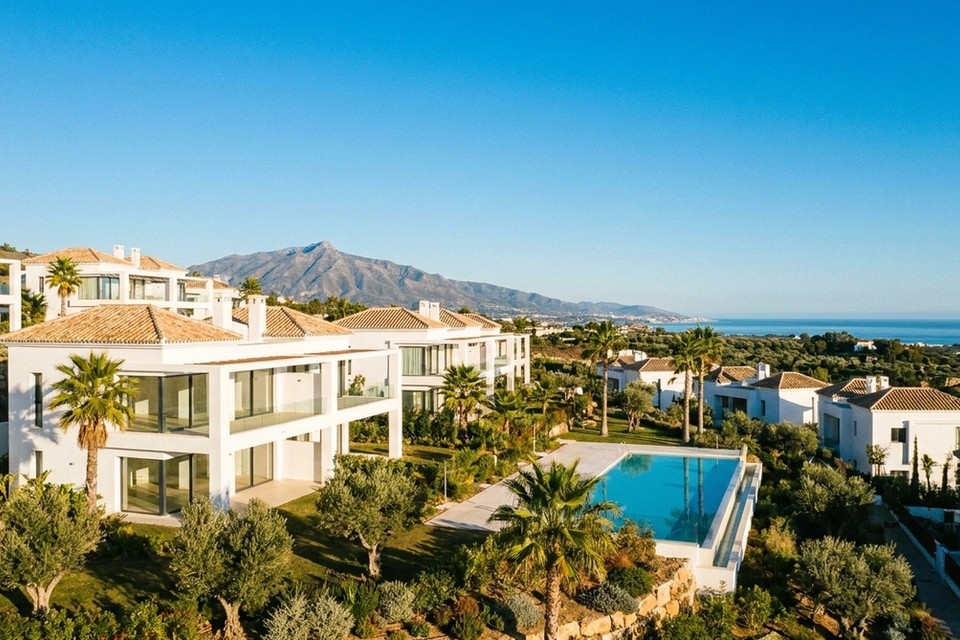
The definition of home entertainment has expanded. While a swimming pool is standard, the 'Infinity Pool' with saline chlorination (saltwater) is the preference over chlorine systems. Buyers are also looking for heated pools to extend the swimming season from April to October.
Beyond the pool, the demand for wellness zones has surged. High-end villas now frequently incorporate:
- Home Gyms: Fully equipped spaces with natural light and ventilation, not just a treadmill in a basement.
- Spas: Featuring saunas, steam rooms (hammams), and jacuzzis.
- Wine Bodegas: Climate-controlled glass display rooms that serve as architectural features.
5. Contemporary Interior Architecture
The layout of the interior is just as critical as the amenities. The compartmentalized layouts of traditional Spanish fincas are being replaced (or renovated) into open-plan configurations. The kitchen is no longer a service area but the social heart of the home.

Buyers expect kitchens fitted with premium brands such as Gaggenau, Miele, or Bora, often centered around a massive island. Furthermore, the 'master suite' concept is essential. The primary bedroom must include a large walk-in wardrobe and a spa-like en-suite bathroom, preferably with a freestanding bathtub positioned to enjoy the views.
Conclusion: Investing in Lifestyle
The luxury real estate market in Spain is vibrant and competitive. For international buyers, the perfect villa is a synthesis of cutting-edge technology, sustainable design, and the timeless appeal of the Mediterranean climate. Properties that tick these boxes not only provide an exceptional quality of life but also represent a robust asset with high resale potential in a demanding market.