
For Dutch and British investors, the Costa Blanca has long been synonymous with lifestyle. However, as we approach 2026, the conversation is shifting significantly from purely lifestyle-oriented purchases to hybrid investment models. The era of buying a holiday home that sits empty for 40 weeks a year is fading. In its place is a strategic approach to holiday lettings—one that balances personal enjoyment with robust financial performance.
The market outlook for 2026 suggests a stabilization of property prices coupled with a continued rise in demand for high-quality, licensed holiday accommodations. Unlike the volatile crypto markets or the low-interest savings environments of Northern Europe, brick-and-mortar investments in the Alicante province offer a tangible asset with a dual return: capital appreciation and rental yield. This article dissects the specific micro-markets of the Costa Blanca North to identify where the smartest capital is flowing for the upcoming season.
The 2026 Yield Landscape: What Changed?
Before identifying specific towns, it is crucial to understand the macro-factors influencing yields in 2026. The Valencian Community has tightened regulations regarding tourist licenses (Viviendas de Uso Turístico). While this creates a higher barrier to entry, it protects established investors by limiting supply and ensuring quality control. Consequently, properties that already possess a tourist license—or meet the strict criteria to obtain one—have seen their intrinsic value increase.
Furthermore, the 'Digital Nomad' visa and the rise of remote work have extended the traditional tourist season. We are no longer looking at a purely June-August peak. The 'shoulder months' of May, September, and October are now commanding high occupancy rates, and the winter market—driven by retirees escaping Northern European energy costs—provides a steady, albeit lower, income stream that covers annual maintenance costs.
Javea (Xàbia): The Safe Harbor Strategy
Javea remains the jewel in the crown for the risk-averse investor. While entry prices here are higher than in the south, the rental demand is exceptionally inelastic—meaning high net-worth tourists continue to visit regardless of broader economic downturns.
The Arenal vs. The Port
For 2026, we project distinct performance metrics for Javea's two main hubs:
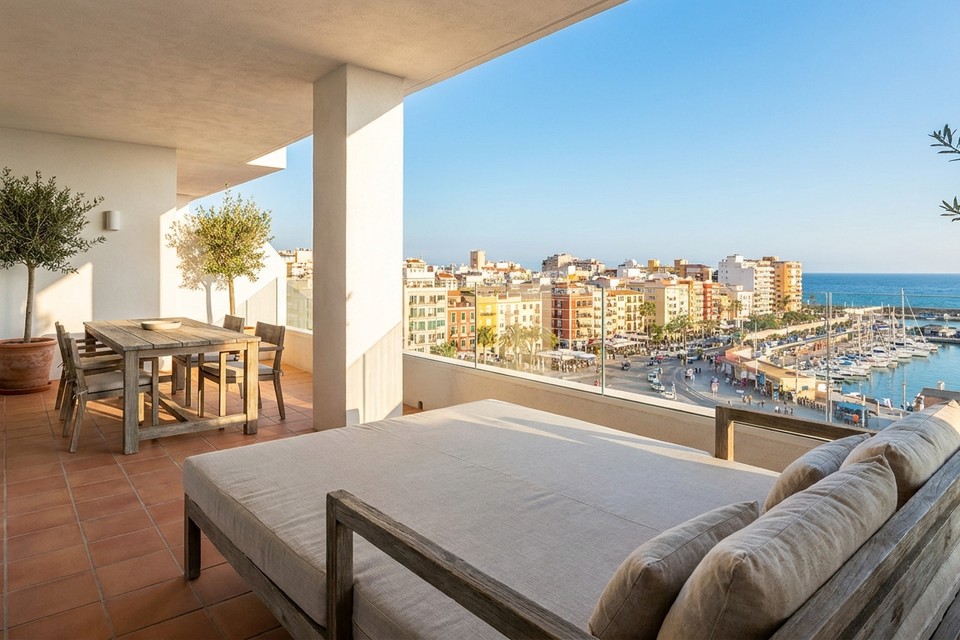
- The Arenal: Apartments here offer the highest occupancy rates due to the sandy beach and nightlife. Expect gross yields of 5-6%, driven by high turnover in summer.
- The Port & Montañar I: These areas attract a slightly older, wealthier demographic. While yields may sit closer to 4-5%, the capital appreciation in the Port area is historically higher, and wear-and-tear on properties is generally lower.

Calpe: The High-Volume Performer
If Javea is about exclusivity, Calpe is about volume and connectivity. With its high-rise architecture and significant hotel infrastructure, Calpe operates as a year-round resort town. For investors, this translates to the longest effective rental season on the coast.
The cycling tourism sector in Calpe is a massive driver for Q1 and Q2 yields. Professional and amateur cycling teams flock to Calpe from January to May for training camps. Investors who tailor their properties to this niche—providing secure bike storage, high-speed internet, and twin-bed configurations—can outperform traditional summer-only rentals significantly. In 2026, we forecast Calpe apartments to offer some of the highest gross yields in the region, potentially touching 6-7% for well-managed units.
Moraira: The Asset Preservation Play
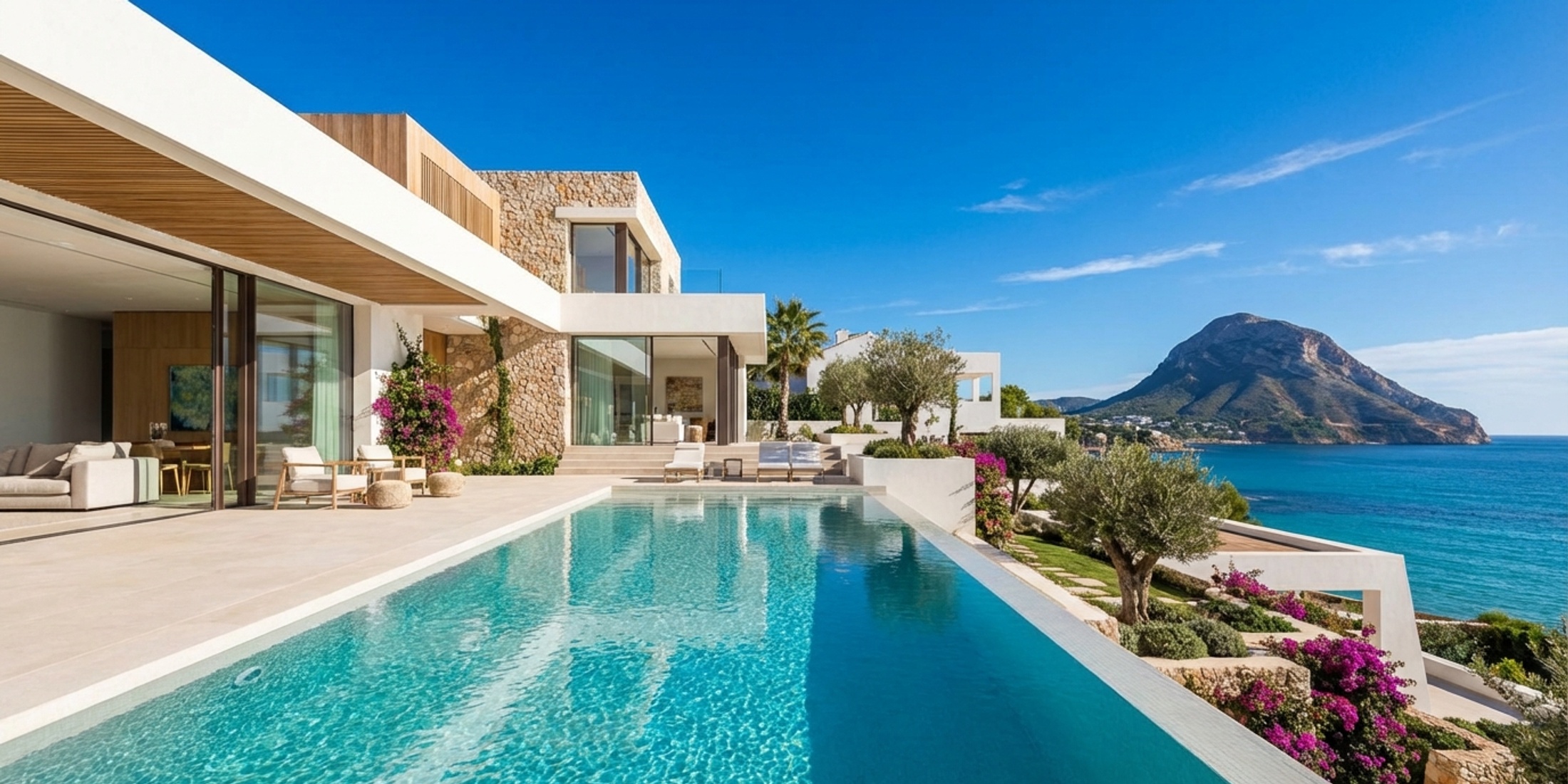
Moraira operates on a scarcity model. The lack of high-rise buildings and the strict town planning laws mean supply is always constrained. For the investor, Moraira is not about squeezing every Euro of yield; it is about wealth preservation and high-ticket weekly rentals.
Large villas in areas like El Portet or Pla del Mar can command €4,000 to €8,000 per week in August. While the occupancy window is shorter than Calpe (focused heavily on July, August, and September), the administration required is lower due to fewer turnovers. For 2026, the 'premium renovation' market in Moraira—taking 1980s villas and modernizing them to Ibiza-style standards—offers the best path to maximizing rental income.
Critical Success Factors for 2026
Achieving the projected yields requires more than just buying in the right postcode. The expectations of the 2026 holidaymaker have evolved. To secure repeat bookings and 5-star reviews, investors must prioritize:
- Sustainability: Solar panels and energy-efficient climate control are becoming deciding factors for eco-conscious Northern European renters.
- Work-Ready Spaces: A dedicated workspace with ergonomic seating and fiber-optic connection is no longer optional; it is a requirement for capturing the 'workcation' market.
- Interior Design: The 'rustic Spanish grandmother' look is out. Neutral tones, micro-cement finishes, and open-plan living drive higher nightly rates.

Financial & Legal Considerations
When calculating net yield, it is vital to account for the Non-Resident Income Tax (IRNR). For EU/EEA residents (including Dutch buyers), the rate is 19% on net income, and expenses (mortgage interest, community fees, IBI, insurance) are deductible. For non-EU residents (including British buyers post-Brexit), the rate is 24% on gross income, with no expense deductions generally allowed. This structural difference significantly impacts the bottom line and should influence the financing strategy used by UK investors.
Additionally, property management fees in the Costa Blanca North typically range from 15% to 20% plus VAT. While self-management increases yield, it is rarely feasible for international owners. Selecting a reputable agency that handles marketing, check-ins, and cleaning is an investment in asset longevity.
Conclusion: The Verdict for 2026
The Costa Blanca North remains a stronghold for property investment, offering a unique blend of security and profitability. For 2026, the data points to Calpe for those seeking immediate cash flow through high occupancy, Javea for the perfect balance of yield and lifestyle, and Moraira for long-term capital preservation.
Investors who approach the market with a clear strategy—prioritizing licensed properties, modern amenities, and professional management—will find the Costa Blanca to be a rewarding addition to their portfolio. As supply constraints tighten, the window to acquire prime rental stock at current prices may be narrowing.