Table of Contents

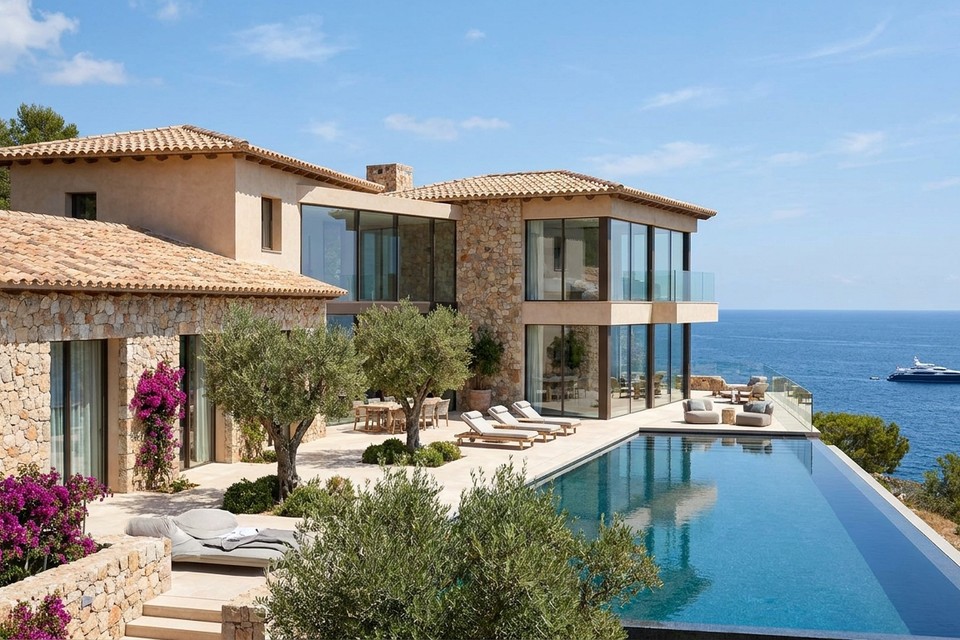
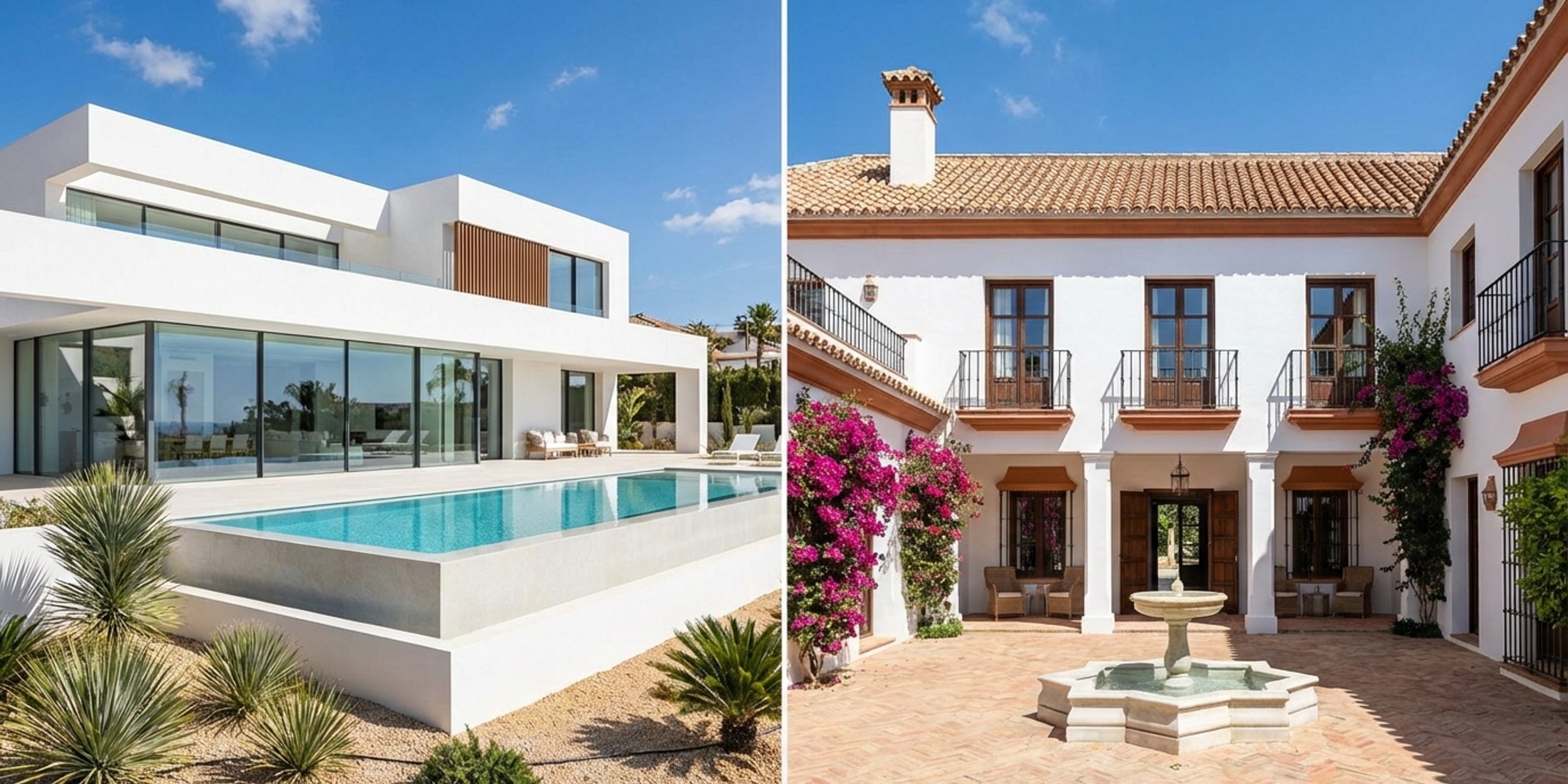
For many international buyers, particularly those from the Netherlands, UK, and Germany, the dream of a Spanish property often starts with a specific image. Perhaps it is a hyper-modern glass-fronted villa in Altea, or maybe a whitewashed townhouse in the historic center of Marbella. However, beyond aesthetics, the choice between 'New Build' (Obra Nueva) and 'Resale' (Segunda Mano) dictates your legal path, your tax bill, and your ownership experience.
The Spanish property market has evolved significantly over the last decade. Construction standards have skyrocketed, yet the charm of established neighborhoods remains undeniable. In this guide, we analyze the critical differences to help you make an informed decision.
The Case for New Build Properties (Obra Nueva)
New build properties in Spain have surged in popularity, driven by a demand for energy efficiency and contemporary design. If you are purchasing off-plan or a 'key-ready' newly constructed home, you are buying into modern building codes.
Energy Efficiency and Modern Standards
Since the update of Spanish building regulations (Código Técnico de la Edificación), new homes must meet strict thermal and acoustic insulation standards. For Northern European buyers used to high efficiency, this is often the deciding factor.
- Climate Control: New builds typically feature aerothermal systems (air source heat pumps) and underfloor heating as standard.
- Layouts: Expect open-plan living, floor-to-ceiling windows, and seamless transitions between indoor and outdoor spaces.
- Technology: Smart home domotics are increasingly common in luxury developments.

Warranties and The 'Seguro Decenal'
One of the strongest arguments for buying new is the legal protection. Developers are required by law to provide a 'Seguro Decenal' (10-year insurance) that covers structural defects affecting the stability of the building. Additionally, there is usually a 3-year warranty for habitability issues and a 1-year warranty for finishings.
The Charm of Resale Properties (Segunda Mano)
While new builds offer sleek perfection, resale properties offer character, history, and often, superior locations. In Spain, the best plots of land—frontline beach or city center—were built on decades ago.
Location and Infrastructure
New developments are frequently located on the outskirts of towns where land is available. Conversely, resale properties place you in the heart of established communities.
- Mature Surroundings: You get established gardens and trees, rather than waiting years for new landscaping to grow.
- Community: The neighborhood is already settled, so you know exactly who your neighbors are and what the atmosphere is like.
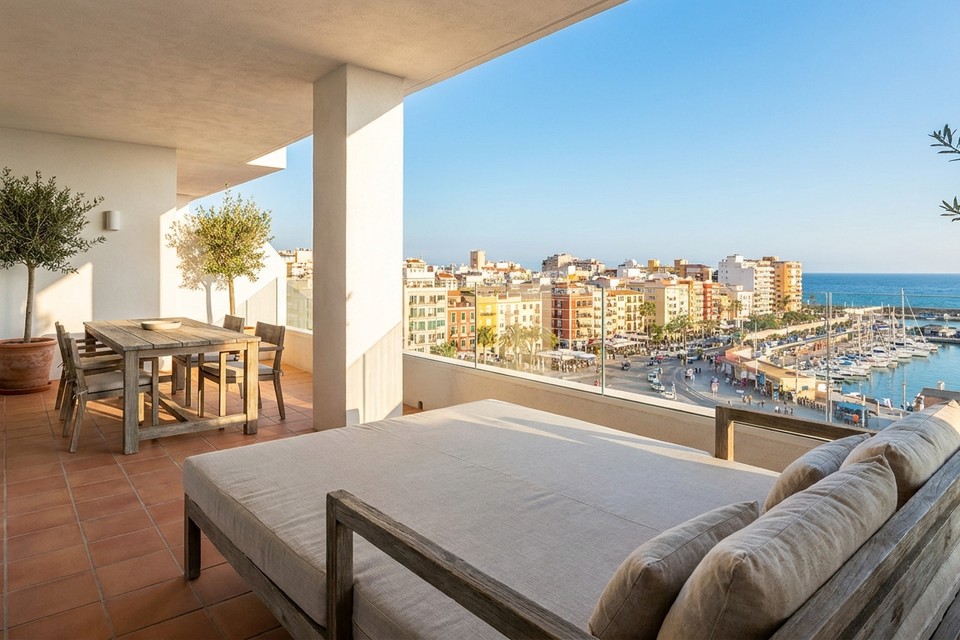
- Infrastructure: Shops, restaurants, and public transport are usually within immediate walking distance.
Immediate Availability and "What You See Is What You Get"
Buying off-plan requires patience and trust in renderings. With a resale property, you can walk through the rooms, check the water pressure, see the view with your own eyes, and usually move in immediately after the notary signing.

The Tax Implications: IVA vs. ITP
This is perhaps the most critical financial distinction buyers must understand. The purchase tax you pay depends entirely on whether the property is new or resale.
Taxes for New Build Properties
New properties are subject to VAT (IVA) and Stamp Duty (AJD).
- IVA (VAT): Flat rate of 10% across most of Spain (IGIC is lower in the Canary Islands).
- AJD (Stamp Duty): Varies by region, typically between 1.2% and 1.5% of the purchase price.
Taxes for Resale Properties
Resale properties are subject to Property Transfer Tax (ITP). There is no VAT or Stamp Duty.
- ITP: This is a regional tax. In the Costa Blanca (Valencia region), it is currently 10%. In Andalusia (Costa del Sol), it is generally 7%.
Generally speaking, the tax burden on new builds (IVA + AJD) is slightly higher than on resale properties (ITP only), usually by a margin of 1.5% to 4.5% depending on the region.
Payment Structures and Finance
Financing differs significantly between the two types. For a resale property, you pay the full amount (minus deposit) at the Notary upon signing the deeds.
For off-plan new builds, payment is staged. This allows you to spread the cost over the construction period (usually 18–24 months). A typical structure might be:
- Reservation: €6,000 – €10,000
- Contract Exchange (30 days later): 20-30% + IVA
- During Construction: Interim payments
- Completion (Notary): Remaining 50-60%
Crucially, for off-plan properties, ensure your payments are backed by a Bank Guarantee (Aval Bancario). This protects your money if the developer fails to complete the project.
Conclusion: Which is Right for You?
The choice between new build and resale ultimately depends on your priorities. There is no single 'best' option, only the option that best fits your lifestyle.
Choose a New Build if:
- You want a 'lock-up-and-leave' home with minimal maintenance.
- Energy efficiency and modern design are non-negotiable.
- You prefer staged payments over 18 months.
Choose a Resale if:
- Location is paramount and you want to be in the center of town or beachfront.
- You want to move in immediately.
- You enjoy the character of traditional architecture and mature gardens.
Whichever route you choose, ensure you have independent legal representation to navigate the specific checks required for that property type.