Table of Contents

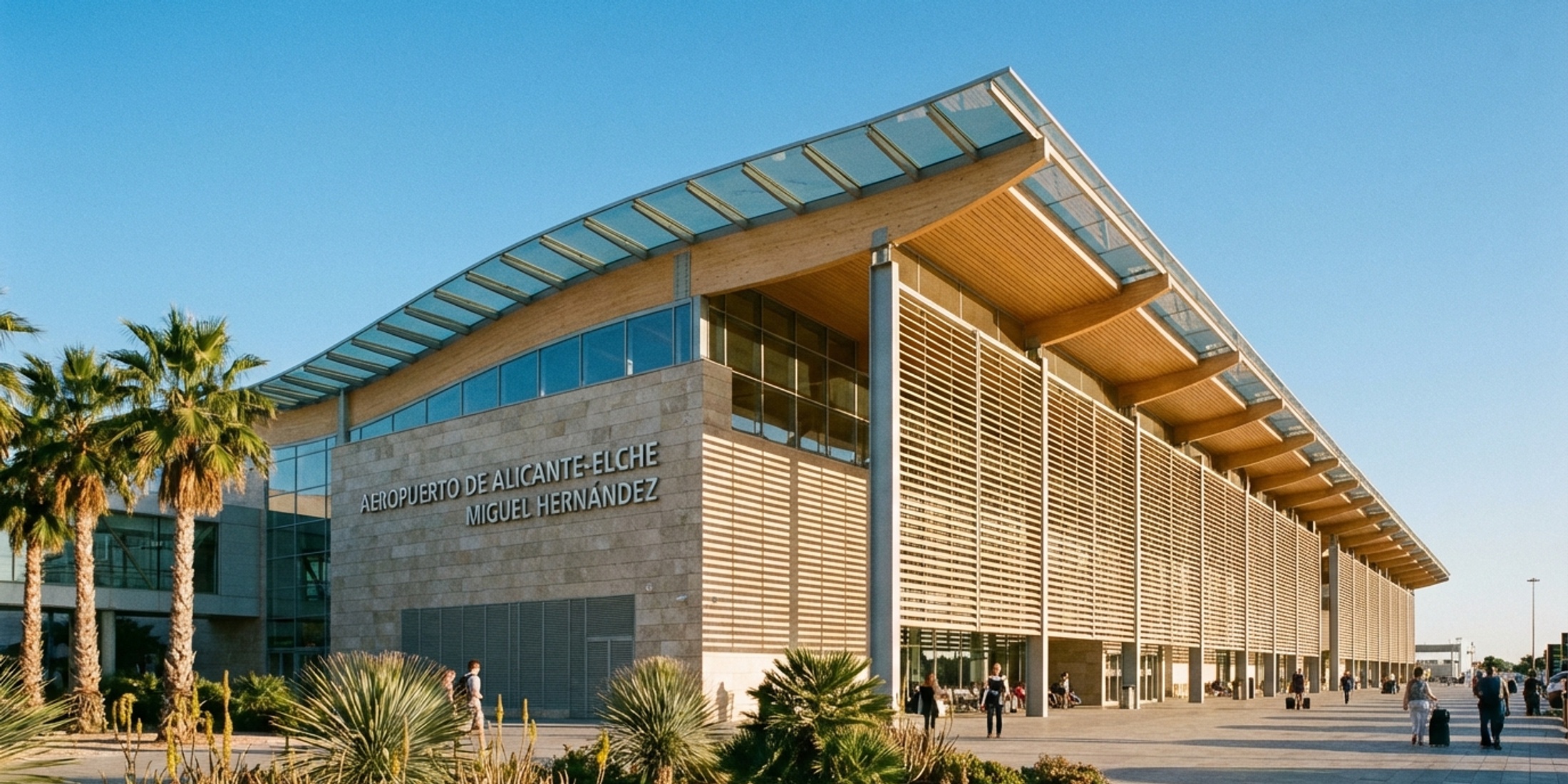
In the world of international real estate, infrastructure is the silent engine of growth. While sun, sea, and lifestyle are the visible attractions of the Costa Blanca, it is accessibility that ultimately underpins property values. As we look toward 2025, Alicante-Elche Miguel Hernández Airport (ALC) is not merely operating; it is evolving into a continental powerhouse. For current and prospective property owners, the announcement of new routes and increased frequencies from key European hubs is a signal that demands attention.
The correlation is historically proven: where airlines invest in capacity, real estate markets flourish. The 2025 expansion plans for Alicante involve strategic connections that directly serve our core buyer demographics—specifically the Dutch, Belgian, and British markets. This article examines the specifics of these infrastructural developments and forecasts their impact on the luxury property sector from Dénia to Torrevieja.
Record-Breaking Traffic and 2025 Projections
Alicante Airport has consistently outperformed expectations in the post-pandemic era. Closing 2023 and 2024 with record passenger numbers—surpassing the 16 million mark—the facility is now operating near its theoretical capacity. This success has triggered urgent discussions regarding the construction of a second runway, a long-term project that AENA (the Spanish airport authority) is prioritizing to handle future demand.
For 2025, the focus is on optimizing current capacity through extended flight schedules and larger aircraft. Airlines are banking on the Costa Blanca's year-round appeal, moving beyond the traditional summer season to offer robust winter schedules. This shift is crucial for the property market, as it transforms the region from a seasonal holiday destination into a viable location for 'semigration'—where professionals split their time between Northern Europe and Spain.

The Northern European Connection: A Dutch & Belgian Surge
One of the most significant trends for the 2025 schedule is the deepening connection with the Benelux region. Airlines such as Transavia, KLM, and Ryanair have recognized the insatiable appetite for Spanish property among Dutch and Belgian buyers. The data reflects this: in recent quarters, buyers from the Benelux region have consistently ranked in the top tier of foreign investors in Alicante province.
Key Route Developments
- Amsterdam (Schiphol): Increased daily frequencies allowing for same-day business travel.
- Eindhoven & Rotterdam: Expanded low-cost options, critical for the 'weekend commuter' market.
- Brussels & Charleroi: Enhanced connectivity catering to the high purchasing power of the Belgian market.
For the Dutch buyer, who typically favours the greener, hilly landscapes of the Costa Blanca North (Altea, Moraira, Jávea), this connectivity reduces the friction of ownership. It makes the prospect of owning a luxury villa feasible not just for retirement, but for active family life and remote working.
Strengthening the British Bridge
Despite Brexit, the British remain the undisputed leaders in volume for property purchases in the Alicante province. The 2025 flight schedules from UK carriers like Jet2, EasyJet, and Ryanair reaffirm their commitment to the region. We are seeing new routes from regional UK airports, not just the London hubs.
The reintroduction and expansion of flights from cities like Liverpool, Bristol, Newcastle, and Bournemouth open the Costa Blanca to buyers who prefer to fly from their local airport rather than travel to Heathrow or Gatwick. This 'door-to-door' convenience is a significant selling point for buyers looking for holiday homes in areas like Ciudad Quesada, Orihuela Costa, and Gran Alacant.
The Economic Impact on Real Estate
How exactly do these flights translate into property value? The mechanism is threefold:
1. Increased Rental Yields
More flights mean more tourists. The constraint on the Costa Blanca has rarely been demand; it has been capacity. With higher seat numbers available in 2025, owners of short-term rental properties can expect higher occupancy rates, particularly in the shoulder seasons (spring and autumn). This improves the net yield of investment properties.
2. Liquidity of Assets
Properties located within 45 minutes of a major international airport are historically more liquid. They sell faster. By increasing the number of cities with direct links to Alicante, the pool of potential buyers for your property expands geographically.
3. Lifestyle Valuation
For the high-end market, time is the most valuable currency. A direct flight allows a buyer to leave their office in Rotterdam or London at 4:00 PM and be dining on their terrace in Altea by 9:00 PM. This accessibility commands a premium in property pricing.

Conclusion: The Infrastructure Premium
The expansion of Alicante Airport in 2025 is a bullish signal for the Costa Blanca real estate market. It demonstrates confidence from major international carriers in the region's enduring appeal. For investors, the message is clear: the Costa Blanca is becoming more accessible, more international, and consequently, more valuable.
Whether you are considering a buy-to-let investment in Alicante city or a luxury retreat in the northern hills, the improved connectivity secures the long-term viability of your asset. As we approach 2025, the question is not if you should invest, but where—and ensuring your chosen location benefits from this new wave of aerial connectivity.