Table of Contents

The Costa del Sol has long been the crown jewel of Spanish real estate, attracting international buyers drawn by its exceptional climate, vibrant culture, and unparalleled quality of life. As we approach 2026, the region's property market is maturing beyond a simple vacation destination into a dynamic, year-round hub for global citizens. The transition from a post-pandemic boom to a period of steady, sophisticated growth has created new opportunities and shifted buyer expectations.
For international buyers, particularly from the Netherlands and the United Kingdom, the motivation to purchase property in southern Spain has evolved. It is no longer solely about securing a summer retreat. Today's buyers are looking for primary residences, remote work havens, and highly resilient investment assets. Improved direct flight connectivity from major hubs like Amsterdam Schiphol and London Heathrow has further reduced the friction of cross-border living, making the Andalusian coast feel closer than ever.
Understanding the trajectory of this market requires a deep dive into the underlying forces shaping development, pricing, and lifestyle choices. From the geographical expansion of the luxury sector to the uncompromising demand for sustainable architecture, 2026 promises to be a defining year for the Costa del Sol real estate landscape.
The New Geography of Luxury: Beyond Traditional Hubs
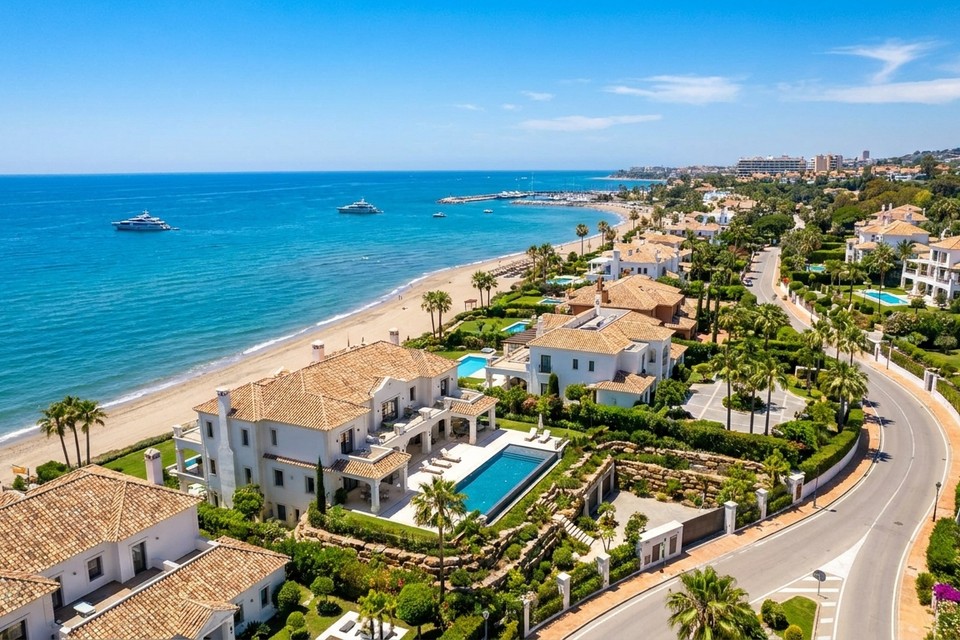
Historically, Marbella and Puerto Banús dictated the luxury narrative on the Costa del Sol. While these areas retain their prestige and continue to command premium prices, the scarcity of prime building plots has pushed developers and discerning buyers to explore adjacent municipalities. By 2026, the geographical definition of 'prime' Costa del Sol property will have expanded significantly.
The Unstoppable Rise of Estepona
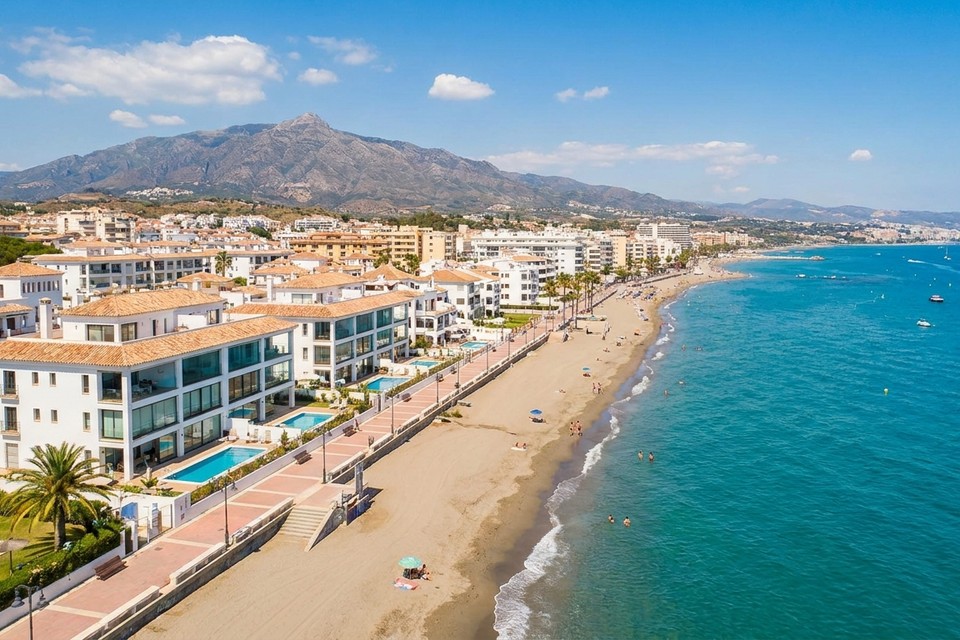
Estepona has seamlessly transitioned from a quiet fishing village to the 'Garden of the Costa del Sol,' and it is arguably the most exciting property hotspot heading into 2026. The city's proactive local government has heavily invested in infrastructure, pedestrianizing the historic center, and expanding the coastal promenade. The New Golden Mile, stretching between San Pedro and Estepona, is witnessing the construction of ultra-modern, low-density luxury developments that rival the best of Marbella but often at a more competitive entry price point. Capital appreciation here is projected to outperform traditional hotspots over the next three years.
Málaga City's Urban Renaissance
Málaga City is no longer just a transit point; it is a destination in its own right. Driven by a thriving technology sector and an influx of international corporate headquarters, Málaga is experiencing a renaissance in premium urban living. For 2026, expect a surge in demand for high-end, renovated penthouses in the historic center and new luxury towers along the western waterfront (Málaga Towers). This urban market appeals strongly to young professionals, tech nomads, and investors seeking high rental yields from a younger demographic.
Sustainable and Smart Homes: The New Baseline
Environmental consciousness is no longer a niche preference; it is a fundamental requirement for the modern luxury buyer. By 2026, energy efficiency and sustainable construction methods will be the primary differentiating factors in the Costa del Sol real estate market. Buyers from Northern Europe, accustomed to stringent environmental standards, are unwilling to compromise on sustainability when purchasing in Spain.

Developers are responding by integrating advanced eco-technologies right from the blueprint stage. The Mediterranean climate provides an abundance of solar energy, and properties equipped with high-efficiency photovoltaic systems, Tesla Powerwalls, and aerothermal heating and cooling are commanding premium valuations. Key sustainability trends to watch include:
- BREEAM and LEED Certifications: Increasingly common in high-end developments, providing independent verification of a building's environmental performance.
- Water Management Systems: Advanced greywater recycling and smart irrigation systems designed to maintain lush gardens while conserving the region's precious water resources.
- Passive House Principles: Maximum insulation, triple-glazing, and strategic architectural orientation to minimize energy consumption.
Coupled with sustainability is the total integration of smart home technology. By 2026, the expectation is a frictionless living experience. From comprehensive home automation systems (Control4, KNX) that manage lighting, climate, and security remotely, to AI-driven energy management, technology will invisibly enhance the Costa del Sol lifestyle. This is particularly appealing to international owners who spend parts of the year abroad and wish to manage their assets remotely.
Shifting Buyer Demographics
The profile of the typical Costa del Sol property buyer is undergoing a rapid transformation. While retirees from the UK and Northern Europe still form a significant segment of the market, the average age of buyers is dropping. The normalization of remote work and the introduction of Spain's Digital Nomad Visa have opened the floodgates to a younger, highly affluent demographic of entrepreneurs, tech executives, and creative professionals.
Dutch and Belgian buyers, in particular, have increased their market share exponentially. Seeking refuge from colder climates and heavy taxation, these buyers are heavily represented in the €1M to €3M price bracket. They prioritize sleek, modern aesthetics, community amenities, and proximity to international schools, of which the Costa del Sol now boasts some of the finest in Southern Europe.
Furthermore, there is a noticeable influx of buyers from North America. Favorable exchange rates and direct flights from New York to Málaga (introduced by United Airlines) have put Andalusia on the map for Americans seeking the European lifestyle at a price point that often represents excellent value compared to domestic luxury markets like California or Florida.
Architectural Innovations and Design Trends
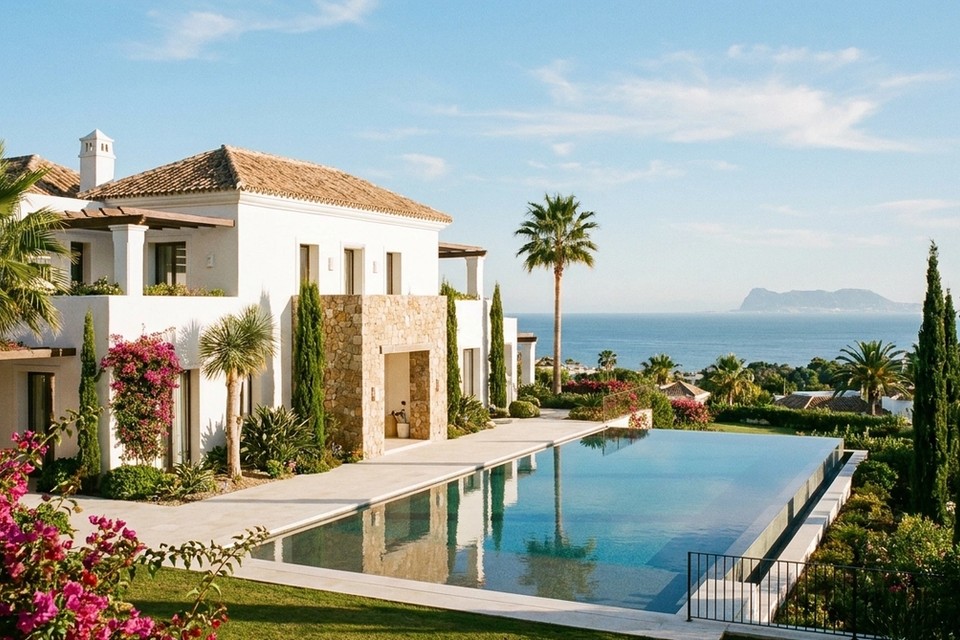
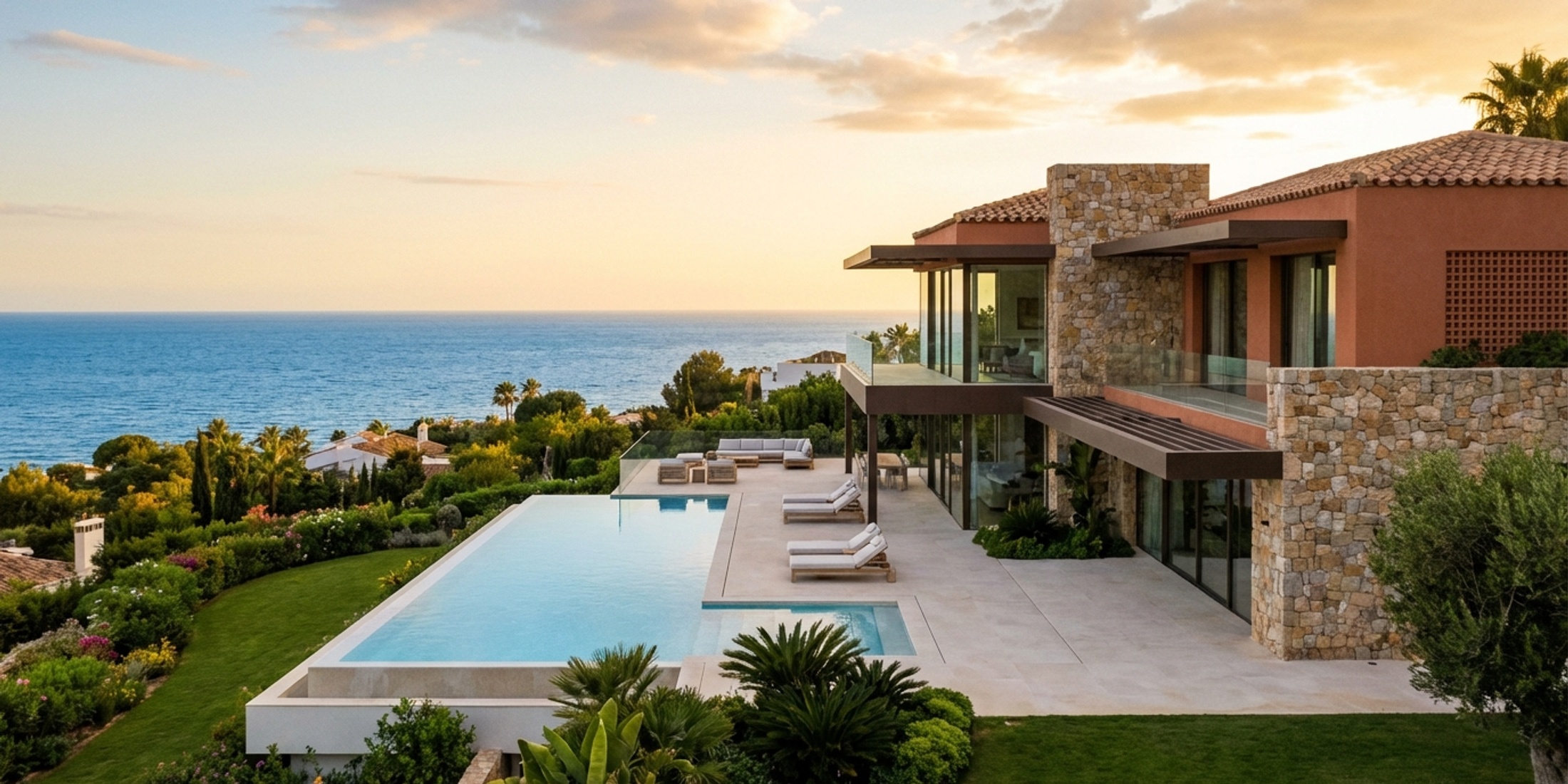
The stark, all-white minimalist boxes that dominated the 2010s are giving way to warmer, more contextual architecture. The trend for 2026 is 'Warm Modernism'—a design philosophy that blends contemporary, clean lines with organic, natural materials such as locally sourced stone, rich woods, and earth-toned ceramics. This creates homes that feel sophisticated yet grounded in their Andalusian environment.

Biophilic Design Takes Center Stage
Biophilic design, which seeks to connect occupants with nature, is becoming a hallmark of luxury living on the coast. In 2026, expect to see seamless indoor-outdoor living spaces maximized by floor-to-ceiling retractable glass, interior courtyards with mature trees, vertical gardens, and water features that blur the boundaries between the home and the Mediterranean landscape.
Hyper-Functional Living Spaces
Because buyers are spending more time in their Spanish residences, the demand for multifunctional spaces has skyrocketed. Dedicated, acoustically treated home offices with high-speed fiber optics are now mandatory. Additionally, wellness features—such as private spas, infrared saunas, yoga studios, and professional-grade home gyms—are increasingly prioritized over traditional features like massive formal dining rooms.
Investment Yields and Market Pricing Forecast
From an investment perspective, the Costa del Sol remains highly attractive. While the explosive double-digit growth seen immediately post-pandemic has stabilized, conservative forecasts for 2026 indicate a healthy, sustainable appreciation of 4% to 6% annually in prime coastal areas. The enduring imbalance between high international demand and the strictly regulated supply of new build licenses ensures that property values remain robust.
A major trend reshaping the high-end investment sector is the proliferation of Branded Residences. Global hospitality titans like Four Seasons, Karl Lagerfeld, and Fendi Casa are bringing their ultra-luxury concepts to Marbella and its surroundings. These developments offer turnkey, hotel-style living with world-class concierge services. For investors, branded residences typically command a 20% to 30% price premium over non-branded equivalents, but they offer exceptional rental yields and high liquidity.
For buyers focused on ROI through short-term and mid-term rentals, certain areas show exceptional promise for 2026:
- Mijas Costa: Offering excellent value for money and high year-round rental demand from golfers and families.
- Benahavís: The wealthiest municipality in Andalusia, ideal for high-ticket luxury rentals catering to privacy-seeking HNWIs.
- Málaga Centro: The prime choice for urban investors looking to capitalize on the booming tech sector and digital nomad influx.
Navigating the Buying Process in 2026
The legal and administrative framework for buying property in Spain continues to become more transparent and secure for foreign buyers. By 2026, digitalization of the notary and registry processes will have further streamlined transactions, although retaining an independent, locally-based lawyer remains absolutely crucial.
Off-plan purchases remain highly popular, given the ability to secure contemporary properties at current market prices before completion. Buyers should note that Spanish law strictly requires developers to provide bank guarantees for all stage payments. When navigating the 2026 market, international buyers must also factor in the regional tax environment. Andalusia has recently implemented highly favorable tax policies, including the abolition of the Wealth Tax for most property owners and significant reductions in the Property Transfer Tax (ITP), making the region one of the most fiscally attractive in Europe for property investment.
For British buyers, adjusting to post-Brexit rules (the 90/180-day rule) means that the Golden Visa program—granting residency for investments over €500,000—continues to be a vital tool for those wishing to spend extended periods on the coast. However, with evolving discussions around the visa's future, acting promptly on investment decisions is advised.
Conclusion
The Costa del Sol real estate market in 2026 presents a landscape of mature, refined growth. The days of speculative, rapid-fire flipping have transitioned into an era of intelligent, quality-focused investment. Whether you are drawn by the sustainable urban renaissance of Málaga, the evolving luxury of Estepona's New Golden Mile, or the enduring exclusivity of Marbella, the region offers unparalleled opportunities for international buyers.
Success in this highly competitive market requires local expertise and a clear understanding of shifting trends. By prioritizing sustainable construction, prime locations with high lifestyle appeal, and modern architectural design, buyers can secure assets that not only provide a phenomenal quality of life but also act as robust pillars in a diversified global wealth portfolio. The sun is shining brighter than ever on the Costa del Sol, and its future looks extraordinarily bright.