Table of Contents

For decades, the Costa Blanca has captured the attention of Northern European property buyers, but the city of Alicante and its immediate suburbs have recently experienced a significant renaissance. Moving beyond its historical reputation as merely an airport gateway to coastal resorts, Alicante has matured into a sophisticated, year-round destination. For international investors, particularly from the Netherlands, Belgium, and the United Kingdom, the region presents a compelling investment thesis defined by strong capital appreciation, robust rental yields, and an unparalleled quality of life.
The city benefits from a thriving technology sector, heavily promoted by initiatives like Alicante Futura, and hosts the European Union Intellectual Property Office (EUIPO), which brings a steady influx of highly paid international professionals seeking premium accommodation. Coupled with high-speed AVE train connections to Madrid and an award-winning international airport, the economic fundamentals underpinning the Alicante property market are stronger than ever. However, the key to a successful acquisition lies in location. Understanding the nuanced differences between a historic city center apartment and a new-build coastal suburban home is critical to aligning your purchase with your investment strategy.
Why Invest in Alicante Real Estate?
Before examining specific neighborhoods, it is crucial to understand the macroeconomic factors making Alicante a strategic choice. First, the property prices in Alicante remain highly competitive when compared to other major Mediterranean hubs like Barcelona, Palma de Mallorca, or Marbella. Investors can acquire premium real estate at a fraction of the cost, leaving significant room for capital growth. Second, the rental market is remarkably diverse. A well-located property can cater to long-term corporate tenants, university students, digital nomads, or lucrative short-term holidaymakers, provided you secure the appropriate tourist licenses.
Furthermore, the local government has invested heavily in public infrastructure, enhancing the TRAM network that seamlessly connects the city center to northern coastal suburbs like San Juan and El Campello. This connectivity has expanded the perimeter of prime investment zones, allowing buyers to look slightly outside the urban core without sacrificing accessibility or tenant demand.
Alicante City Center: The Urban Pulse
Investing in the heart of Alicante appeals to those looking for cosmopolitan energy, historic architecture, and immediate access to top-tier gastronomy and cultural landmarks. The city center is divided into several distinct districts, each offering a unique investment profile.
Ensanche-Diputación
Often referred to as the commercial and financial heart of Alicante, Ensanche-Diputación encompasses the broad avenues around Avenida Maisonnave. This area is characterized by stately apartment buildings, high-end retail, and corporate offices. Property here commands a premium, but it also attracts long-term, reliable tenants such as executives and civil servants. For investors seeking low-risk, steady yields and strong capital preservation, Ensanche is the blue-chip choice.
Casco Antiguo (The Old Town)
Nestled at the foot of the iconic Santa Barbara Castle, the Casco Antiguo, including the picturesque Santa Cruz neighborhood, is a labyrinth of narrow streets, colorful facades, and vibrant plazas. This area is a magnet for tourism. Investors who secure properties with valid tourist licenses can achieve exceptional short-term rental yields here. However, buyers must be prepared for the nuances of historic properties, which may require specialized renovations and adherence to strict local heritage regulations.

San Juan Playa: The Premium Coastal Hub
Just a short drive or TRAM ride north of the city center lies Playa de San Juan, boasting over seven kilometers of pristine, white sandy beaches. This area has transformed into one of the most coveted residential zones on the Costa Blanca, particularly for Dutch and Scandinavian buyers who prioritize outdoor living, modern amenities, and proximity to the sea.
PAU 5: The New Build Paradise
PAU 5 is the jewel in the crown of Alicante's recent urban development. Designed with modern urban planning principles, it features wide, tree-lined boulevards, extensive cycling paths, and a plethora of chic cafes and boutique fitness studios. The real estate here consists almost entirely of cutting-edge, energy-efficient new build apartments within gated complexes offering resort-style amenities such as paddle courts, heated pools, and co-working spaces. Because of its modern infrastructure and immense popularity, PAU 5 offers some of the highest capital appreciation rates in the province.
Cabo de las Huertas
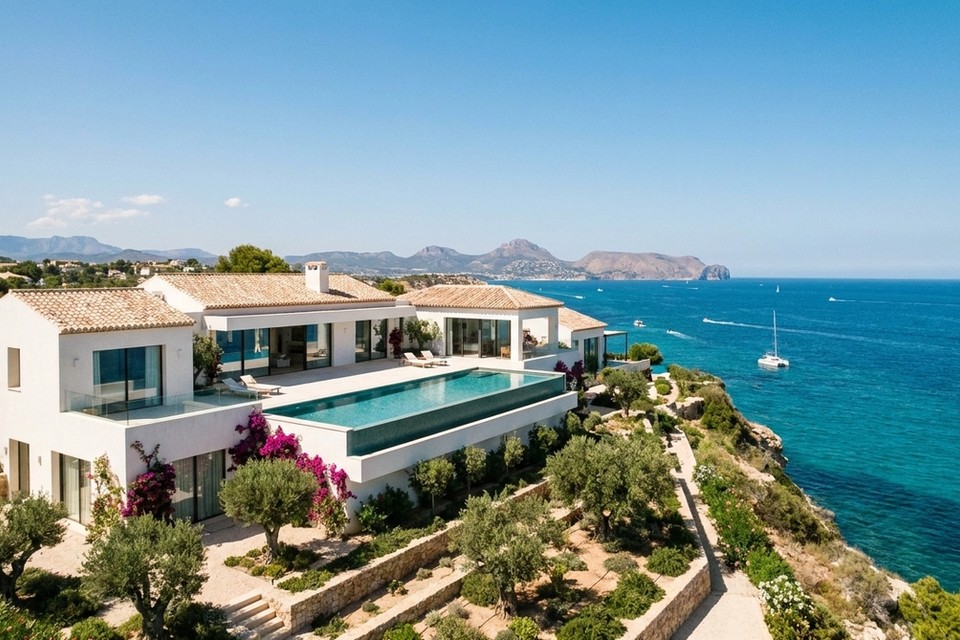
Serving as the geographical divider between Alicante city and San Juan Playa, Cabo de las Huertas is widely considered the Beverly Hills of Alicante. This exclusive enclave is characterized by dramatic rocky coves, hidden beaches, and sprawling luxury villas. It appeals directly to high-net-worth individuals looking for privacy, panoramic sea views, and absolute exclusivity. While entry prices here are substantial, the scarcity of available land ensures that property values remain robust and insulated from broader market fluctuations.
The Traditional Suburbs: Space and Value
For investors whose strategy relies on consistent, year-round rental income rather than seasonal tourist spikes, the inland suburbs surrounding Alicante present outstanding value. These areas offer more space, traditional Spanish community feels, and lower price per square meter.
San Vicente del Raspeig
San Vicente del Raspeig is fundamentally a university town, home to the sprawling campus of the University of Alicante. With over 30,000 students enrolled annually, the demand for high-quality, modern student accommodation consistently outstrips supply. Savvy investors are purchasing large apartments or townhouses here and converting them into co-living spaces for domestic and international students. The yields in San Vicente are highly attractive, and the proximity to the TRAM line ensures seamless connectivity to Alicante center.
Mutxamel and Bonalba
Slightly further inland, Mutxamel offers a tranquil, rustic lifestyle characterized by traditional fincas and spacious detached villas with private pools. Within this municipality sits the Bonalba Golf Resort, a major draw for international buyers who wish to enjoy the Costa Blanca's 320 days of sunshine on the fairways. Properties here are ideal for long-term rentals to expat retirees or families attending nearby international schools like the European School of Alicante.

Northern Coastal Gems: El Campello
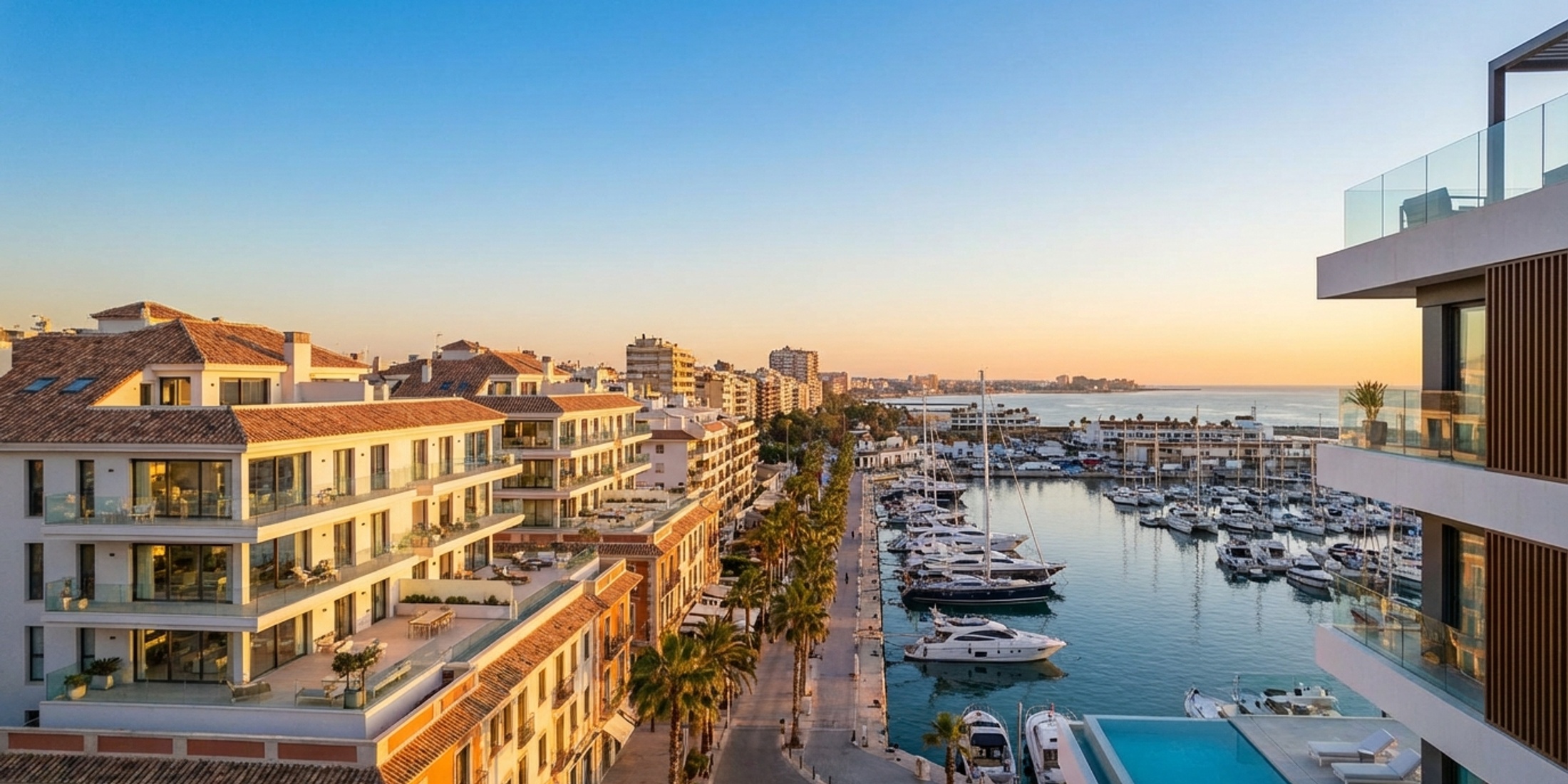
If you continue north along the coast from San Juan, you reach the delightful fishing town of El Campello. Boasting a beautiful marina, a wide promenade lined with excellent seafood restaurants, and excellent TRAM links, El Campello strikes a perfect balance. It retains its authentic Spanish heritage while providing all the amenities required by international residents. Property here is generally more affordable than in neighboring San Juan Playa, offering excellent opportunities for frontline apartments with unobstructed Mediterranean views. It is a highly strategic choice for family-oriented holiday rentals or second-home buyers.
What International Buyers Need to Know
Investing in Spanish real estate as a non-resident involves specific legal and financial frameworks. Partnering with a reputable real estate agency and independent legal counsel is non-negotiable. Here are the key factors international buyers must account for when calculating their return on investment in Alicante:
- Taxes and Purchase Costs: Buyers should allocate approximately 12 to 14 percent of the purchase price to cover closing costs. This includes a 10 percent VAT on new builds (or Property Transfer Tax on resales), Notary fees, and Land Registry costs.
- The NIE Requirement: Every foreign buyer must obtain a Foreigner Identity Number (NIE) before purchasing property, opening a local bank account, or setting up utilities. This should be initiated early in your property search.
- Tourist Licenses: If your strategy relies on platforms like Airbnb, you must verify that the property can legally obtain a tourist license. Regulations vary strictly between municipalities and even specific residential buildings.
- Property Management: For absentee owners, engaging a professional local property management company is essential. They handle tenant screening, emergency maintenance, and key handovers, ensuring your investment remains truly passive.
Conclusion: Making Your Investment Decision
Alicante is no longer just a stopping point; it is a destination in its own right, experiencing an exciting phase of urban and cultural evolution. From the bustling, historic streets of the Casco Antiguo to the meticulously planned, eco-friendly developments of PAU 5, the region offers a remarkably diverse portfolio of investment opportunities. By carefully selecting the neighborhood that aligns with your financial goals and personal lifestyle preferences, investing in Alicante real estate can provide a highly rewarding addition to your international portfolio.
As the market continues to attract global attention, particularly from Northern Europe, prime properties are moving quickly. Engaging with local market experts who understand the granular dynamics of each suburb will ensure you secure an asset that delivers lasting value and sustained rental demand for years to come.