Table of Contents

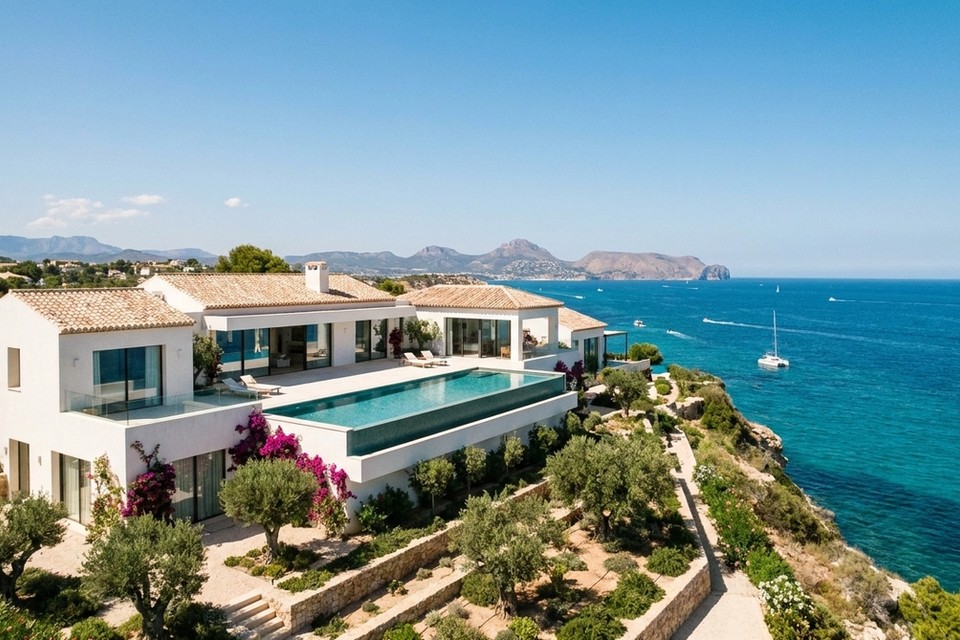
For international buyers from the UK, the Netherlands, and across Northern Europe, the Costa Blanca represents the ultimate Mediterranean dream. Offering more than 300 days of glorious sunshine annually, pristine Blue Flag beaches, and a relaxed pace of life, the region is highly sought after. However, the true appeal that transforms a dream into reality is the highly competitive cost of living. When compared to major European hubs like London, Amsterdam, or Munich, the Costa Blanca allows residents to enjoy a significantly elevated quality of life for a fraction of the cost.
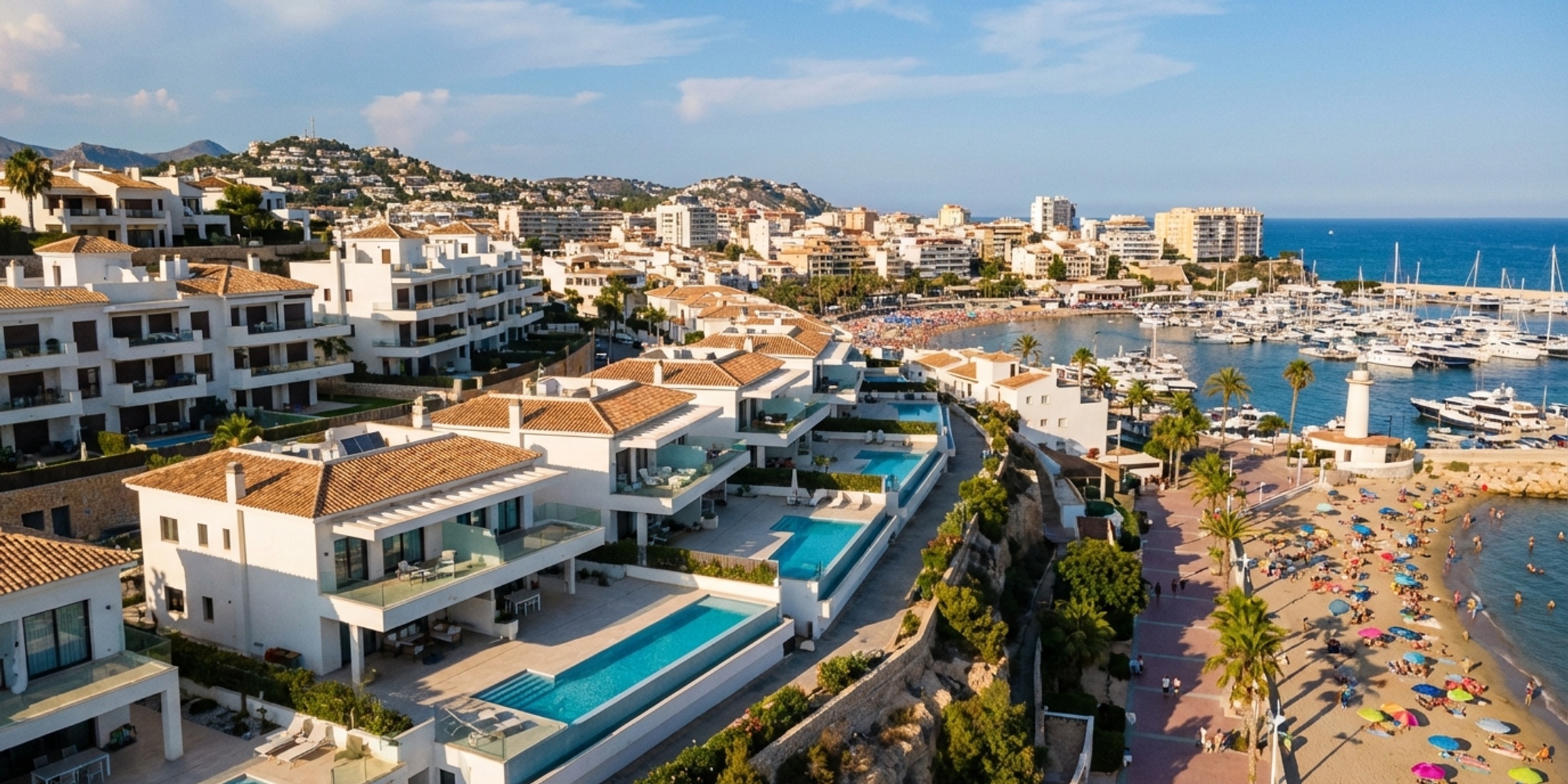
Whether you are planning to purchase a sprawling villa in Javea, a modern penthouse in Alicante, or a charming finca inland, understanding the financial landscape is a vital part of your relocation strategy. This comprehensive guide provides an authoritative, detailed breakdown of the everyday expenses you will encounter in the Costa Blanca, empowering you to plan your budget with absolute confidence.
Housing and Property Costs
Housing will naturally form the largest component of your monthly expenditure. Fortunately, the Spanish property market continues to offer exceptional value, particularly along the eastern seaboard. While property purchase prices vary significantly depending on proximity to the sea and the exclusivity of the town (with areas like Moraira and Altea commanding a premium), the ongoing costs of running a home remain remarkably stable and affordable across the board.
Ongoing Property Taxes and Fees
Once you have purchased your dream property, you must account for annual maintenance and local taxes. Spain's local property tax system is generally much lower than council taxes found in the UK or the property levies in the Netherlands. The primary ongoing housing costs include:
- IBI (Impuesto sobre Bienes Inmuebles): This is the annual local property tax. Depending on the size and location of your property, you can expect to pay anywhere from €300 to €1,500 annually. A standard 3-bedroom villa usually incurs an IBI of around €600 to €800 per year.
- Basura (Rubbish Collection): An annual fee collected by the local town hall for waste disposal, typically costing between €100 and €150 per year.
- Comunidad (Community Fees): If you buy an apartment, townhouse, or a property within a gated urbanization with shared amenities like swimming pools and landscaped gardens, you will pay community fees. These range widely from €50 to €200 per month, depending on the luxury level of the facilities.
- Home Insurance: A comprehensive home and contents insurance policy typically costs between €200 and €400 annually, providing peace of mind against theft, fire, and weather damage.
Everyday Utilities: Power, Water, and Connectivity
Utility costs in the Costa Blanca fluctuate depending on your consumption habits and the season. The region's hot summers often necessitate the use of air conditioning, while the mild but damp winters may require central heating or log burners during the evenings. Despite recent global energy market fluctuations, Spain has implemented measures to cap energy prices, keeping utilities manageable.
Electricity and Water
Electricity bills are generally issued monthly. For an average-sized household (a 2 to 3-bedroom property) without excessive air conditioning use, the monthly electricity bill averages between €70 and €120. During peak summer months (July and August), if air conditioning units run constantly, this can rise to €150 or more. Water is billed either monthly or quarterly and is relatively inexpensive, averaging about €20 to €40 per month. If you own a private pool, expect your water and electricity bills to be slightly higher due to the pool pump and topping up water levels.
Internet and Mobile Plans
Spain boasts an excellent telecommunications infrastructure. High-speed fiber-optic internet is widely available, even in many smaller coastal towns and inland villages—a crucial benefit for expats working remotely. A comprehensive package including 600Mbps fiber internet, a landline, and two mobile phone SIM cards with unlimited calls and generous data allowances typically costs between €40 and €60 per month, making it significantly cheaper than comparable packages in Northern Europe.

Groceries and Supermarket Expenses
One of the absolute joys of living in Spain is the accessibility of fresh, high-quality food at incredibly reasonable prices. The Mediterranean diet is not only healthy but highly cost-effective if you shop smart. While prices have experienced inflation globally, the grocery bill in the Costa Blanca remains 15% to 25% lower than in the UK or the Netherlands.
Major supermarket chains like Mercadona, Consum, and Masymas offer excellent value for everyday essentials. A couple can expect to spend between €350 and €500 per month on groceries, including cleaning products and moderately priced wine. For instance, a fresh loaf of bread costs around €0.80, a liter of milk is €0.90, and a decent bottle of Rioja or local Alicante wine can be purchased for as little as €3 to €5. Furthermore, shopping at local weekly farmers' markets—a vibrant tradition in towns like Jalon, Calpe, and Denia—allows you to buy fresh seasonal fruits, vegetables, and olives at a fraction of supermarket prices.
Dining Out and Entertainment
The Spanish social culture revolves around food, and dining out is a frequent, affordable pleasure rather than a rare luxury. The renowned 'Menú del Día' (Menu of the Day) is a staple of Costa Blanca living. Offered by almost all local restaurants during weekday lunchtimes, it typically includes a starter, a main course, dessert or coffee, and a drink (often a glass of wine or beer) for an astonishing €12 to €18.
For evening dining, a three-course meal for two at a mid-range restaurant, including a bottle of wine, will usually cost between €50 and €80. Naturally, if you choose to dine at Michelin-starred establishments in Denia or high-end international restaurants in the luxurious marinas of Moraira and Alicante, prices will be higher, but they still represent excellent value compared to fine dining in London or Amsterdam.
Leisure activities are also highly accessible. A monthly gym membership ranges from €30 to €50. For golf enthusiasts, the Costa Blanca is a premier destination with numerous world-class courses; a round of golf generally costs between €50 and €90 depending on the course and the season. Cinema tickets, often available in original language (VOSE) for expats, cost around €7 to €9.

Healthcare and Insurance
Spain's healthcare system consistently ranks among the top ten in the world, offering world-class medical facilities and highly trained professionals. If you are a resident contributing to the Spanish social security system (or a pensioner from an EU country/UK with the appropriate S1 form), you will have free access to the state healthcare system. The public system provides exceptional care, though there can sometimes be waiting lists for non-urgent specialist appointments.
Many international buyers, particularly non-EU citizens applying for a Golden Visa or Non-Lucrative Visa, opt for private health insurance. Private healthcare in Spain is remarkably affordable and highly efficient, providing immediate access to English-speaking doctors and state-of-the-art private hospitals like IMED or Vithas. A comprehensive private health insurance policy with zero copayments from reputable providers such as Sanitas, DKV, or ASSSA typically costs between €50 and €100 per person per month, depending on age and pre-existing conditions.
Transportation and Commuting Costs
Getting around the Costa Blanca is both easy and economical. If you choose to own a car, the costs of motoring are generally lower than in Northern Europe. The annual road tax (IVTM) is set by the local municipality and usually ranges from €60 to €150, depending on the engine size. Comprehensive car insurance for a standard vehicle averages around €300 to €500 per year. Fuel prices fluctuate but remain broadly in line with or slightly below the European average. Additionally, the mandatory annual vehicle inspection (ITV) costs approximately €40 to €50.
Public transport is clean, efficient, and highly subsidized. The TRAM d'Alacant, which runs along the coast connecting Alicante city all the way north to Denia, offers breathtaking scenic routes for a few euros per journey. Local bus networks are extensive and cheap, with single fares generally costing around €1.50. For longer trips, the high-speed AVE train connects Alicante to Madrid in just over two hours, with advance tickets available from as little as €15.
Conclusion: A Premium Lifestyle within Reach
When calculating the cost of living in the Costa Blanca, the overriding theme is exceptional value. This stretch of the Spanish coastline proves that you do not need to compromise on quality of life, amenities, or infrastructure to live within a reasonable budget. While property purchase prices have seen steady, healthy growth as international demand surges, the day-to-day expenses—from groceries and utilities to healthcare and dining out—remain highly attractive.
For international buyers looking to relocate or invest, the Costa Blanca offers a rare combination: a sophisticated, healthy, sun-drenched Mediterranean lifestyle supported by a robust and affordable economy. By understanding these detailed costs, you are perfectly positioned to plan your transition smoothly, ensuring your Spanish dream is both luxurious and financially sustainable.