Table of Contents

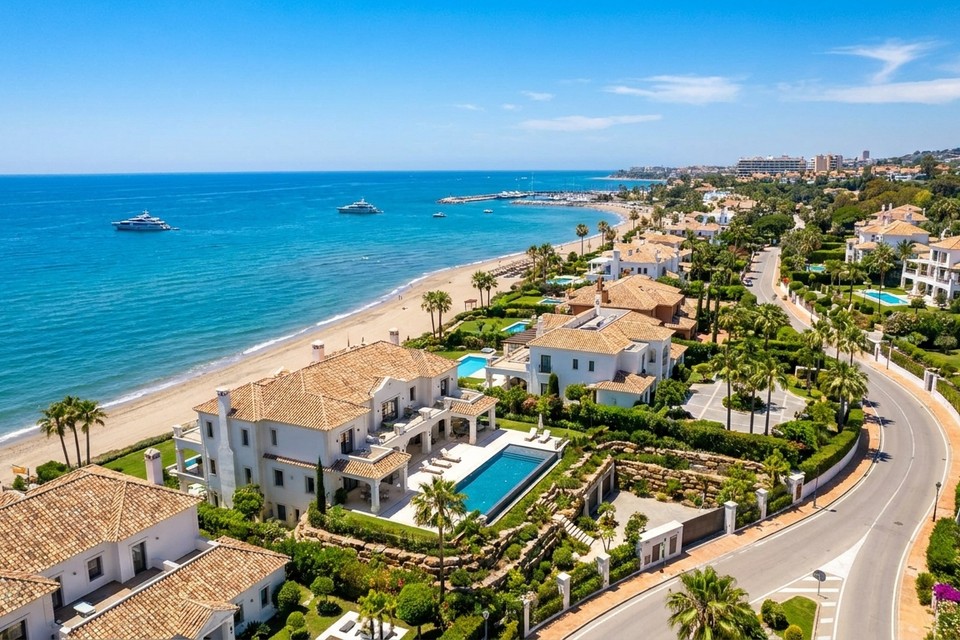
Spain’s famed "Coast of the Sun" stretches over 150 kilometers along the southern Málaga province. It has long been a magnet for Northern Europeans, particularly from the Netherlands, the UK, and Scandinavia, seeking a sun-drenched escape from grey winters. But beyond the glossy holiday brochures, what does it truly mean to pack up your life and build a home here? Relocating to the Costa del Sol is not just a change of address; it is a fundamental shift in lifestyle.
In this comprehensive guide, we will explore the nuances of the expat experience, breaking down daily routines, cultural integration, and the financial realities of making Southern Spain your permanent or secondary home. Whether you are retiring, investing, or relocating your family, understanding the landscape is key to a successful transition.
Why Choose the Costa del Sol?
The appeal of this beautiful coastline goes far beyond its famous climate. While the 320 days of sunshine a year are undoubtedly a primary draw, expats are equally attracted by the robust infrastructure, world-class amenities, and a laid-back yet sophisticated Mediterranean culture.
Climate and Well-being
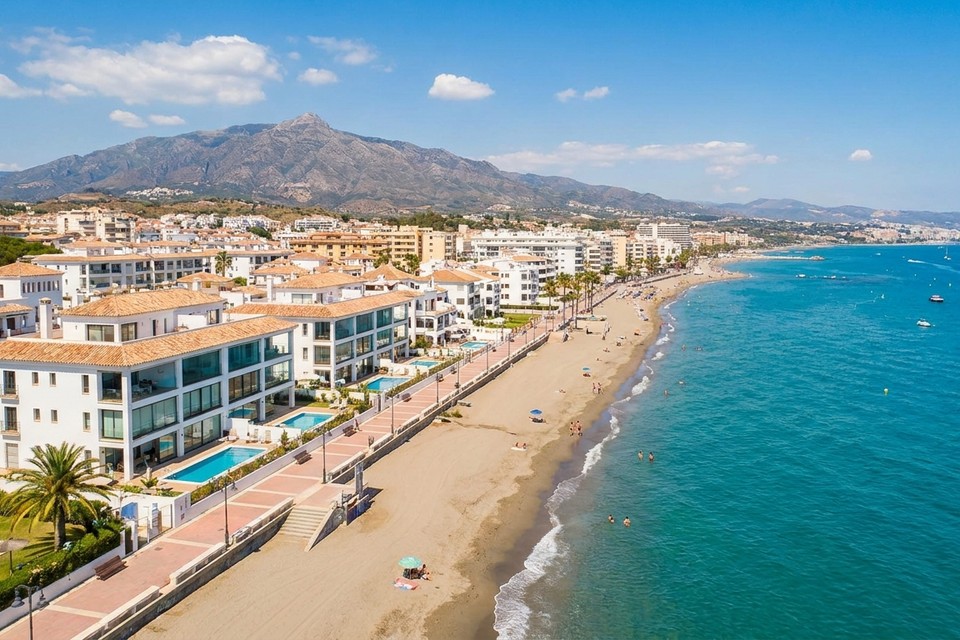
The microclimate of the region, sheltered by the Sierra Bermeja mountains in areas like Marbella and Estepona, creates mild winters and warm, breezy summers. This weather naturally encourages an outdoor lifestyle. Whether you prefer early morning walks along the paseo marítimo, playing a round of golf in January, or dining al fresco year-round, the environment actively promotes physical and mental well-being.
An Established International Community
One of the greatest advantages for new arrivals is the highly developed expat infrastructure. Moving to a foreign country can be daunting, but the Costa del Sol is home to hundreds of thousands of international residents. This means that finding English or Dutch-speaking professionals—from lawyers to doctors and financial advisors—is incredibly straightforward. You can easily integrate into local clubs, networking groups, and cultural associations, making the transition seamless.
Prime Locations for International Buyers
The coastline is remarkably diverse, with each town offering a distinct flavor and lifestyle. Choosing the right base is critical to your long-term happiness in Spain.
- Marbella: The crown jewel of the coast, famous for luxury boutiques, Michelin-starred restaurants, and exclusive residential areas like the Golden Mile and Nueva Andalucía.
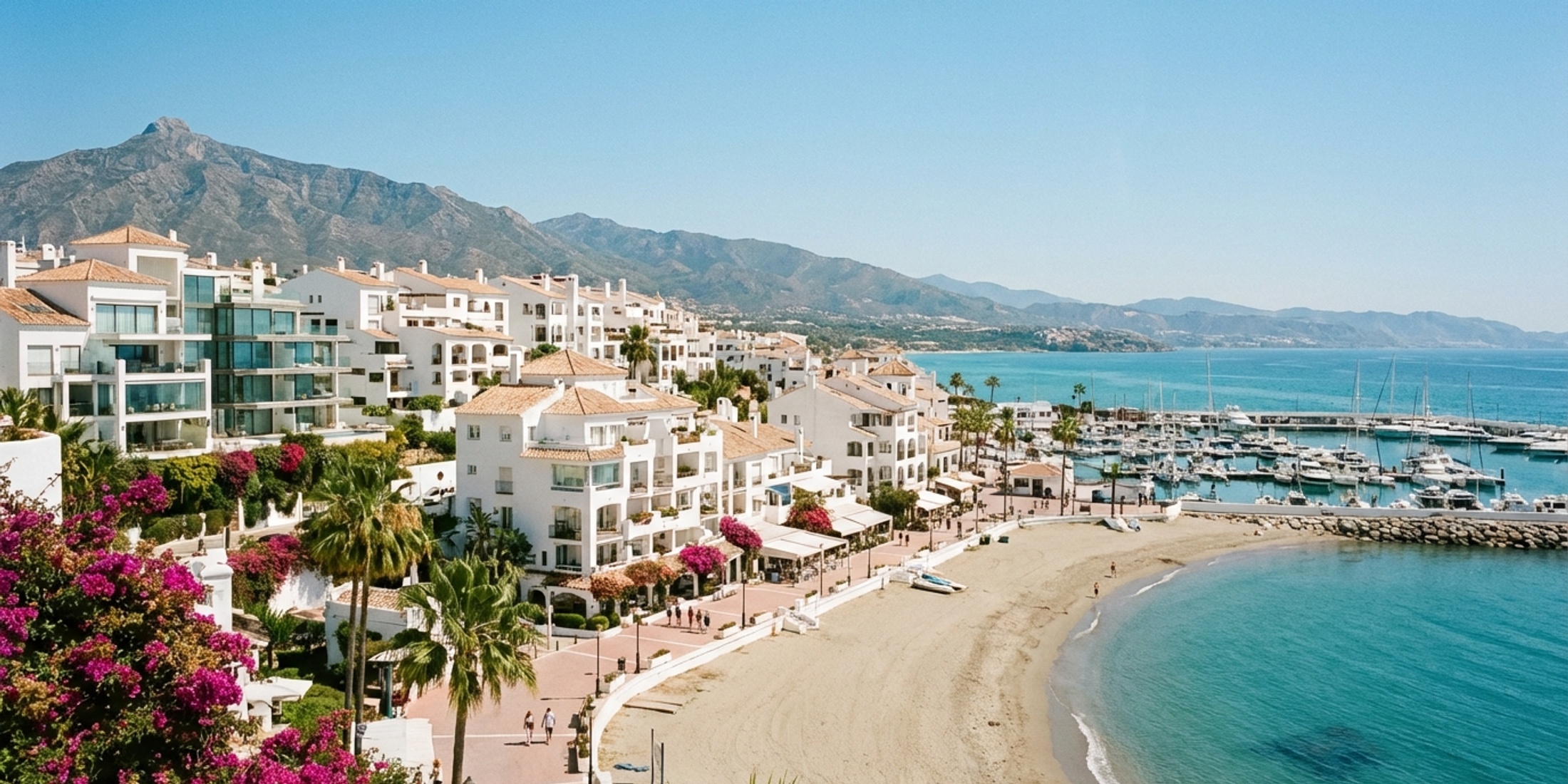
- Estepona: Often called the "Garden of the Costa del Sol," it retains its authentic Andalusian charm with whitewashed streets adorned with colorful flower pots, while offering excellent modern amenities and new developments.
- Mijas Costa: Highly popular among Dutch and British expats, offering a perfect blend of coastal living and proximity to the charming mountain village of Mijas Pueblo.
- Nerja: Located east of Málaga, this town offers a more rugged coastline, beautiful coves, and a slightly quieter, more traditional atmosphere compared to the western stretch.

The True Cost of Living Explained
While the Costa del Sol is known for its luxury enclaves, the overall cost of living remains highly competitive compared to Northern Europe. Your monthly expenditure will heavily depend on your location and lifestyle choices.
Housing and Real Estate
Property prices vary wildly based on proximity to the sea and the prestige of the municipality. A luxurious frontline golf villa in Benahavís will command a premium, while a comfortable apartment in a slightly inland development offers excellent value. On average, you can expect to pay anywhere from €3,000 to €6,000 per square meter in premium coastal areas, dropping significantly as you move 10-15 minutes inland. Property taxes, including the annual IBI (Impuesto sobre Bienes Inmuebles), are generally lower than equivalent council taxes in the UK or municipal taxes in the Netherlands.
Groceries and Dining Out
Daily groceries are noticeably cheaper, especially if you shop at local markets (mercados) for fresh produce, meat, and fish. A couple can comfortably budget €400 to €600 per month for high-quality groceries. Dining out is a cornerstone of Spanish culture and is priced accordingly. A traditional 'menú del día' (menu of the day) offers a three-course lunch with a drink for between €10 and €15, while a mid-range dinner for two typically costs around €50 to €70 depending on the wine selection.
Utilities and Maintenance
Utility costs have fluctuated across Europe, and Spain is no exception. However, lower heating costs in winter balance out the air conditioning usage in summer. Expect to pay around €150 to €250 per month for electricity, water, and high-speed fiber-optic internet. If you purchase an apartment or a property within an urbanization, you must also factor in community fees, which cover pool maintenance, gardening, and security. These can range from €100 to over €500 per month depending on the exclusivity of the facilities.
Navigating Healthcare and Education
For families and retirees alike, healthcare and education are paramount considerations when evaluating a move abroad.
World-Class Healthcare
Spain boasts one of the best healthcare systems in the world. As an expat, depending on your residency status, employment status, or state pension age, you may have full access to the state healthcare system (Sistema Nacional de Salud). Many expats also opt for private health insurance, which is surprisingly affordable. Comprehensive private coverage for a healthy adult typically ranges from €50 to €100 per month, providing immediate access to top-tier private hospitals, rapid specialist appointments, and English-speaking doctors across the coast.
International Schools
Families moving to the Costa del Sol are spoiled for choice regarding education. There is a vast array of international schools offering the British Curriculum, the International Baccalaureate (IB), and specialized bilingual education. Fees vary based on the age of the child and the prestige of the institution but generally range from €7,000 to €15,000 per year. Alternatively, integrating children into the local Spanish public school system is free and offers the invaluable benefit of rapid language acquisition and genuine cultural immersion.

Taxes and Financial Considerations
Proper financial planning is crucial. Spain’s tax system can be complex, and moving your primary residence means you will likely become a Spanish tax resident if you spend more than 183 days a year in the country. This impacts how your income and wealth are taxed.
As a tax resident, you will be liable for income tax on your worldwide income. It is highly recommended to consult with a gestor (a Spanish administrative agent) or a specialized cross-border tax advisor before your move. They can help you understand the implications of the wealth tax, capital gains regulations, and how your specific pension or business income will be treated under double taxation treaties. Furthermore, the introduction of the digital nomad visa provides new, tax-efficient avenues for non-EU remote workers to establish themselves in Spain.
Embracing the Mediterranean Lifestyle
Adapting to life in Andalusia requires embracing a different rhythm. The Spanish pace of life prioritizes family, social connections, and leisure over constant productivity. You will need to adjust to the afternoon siesta hours, where smaller businesses and local shops may close between 2 PM and 5 PM, and embrace the late dining culture where dinner is rarely served before 8:30 PM.
With over 70 world-class golf courses (earning the region the nickname 'Costa del Golf'), countless tennis and padel clubs, and miles of hiking trails in the surrounding sierras, there is no shortage of recreational activities. Socializing often revolves around the 'chiringuitos' (beach bars) during the day and tapas bars in the historic town centers in the evening. Learning even a basic level of Spanish will immensely enhance your experience, earning you respect from locals and opening doors to deeper cultural integration.
Conclusion
Relocating to the Costa del Sol offers a profound upgrade in your quality of life. While it requires careful financial planning and an open mind to adapt to new bureaucratic and cultural norms, the personal rewards are immense. From the vibrant expat communities to the unparalleled climate, exceptional healthcare, and relatively accessible cost of living, Southern Spain provides a rich, fulfilling environment for international buyers.
If you are prepared to embrace the Mediterranean pace and invest in the local way of life, your dream of Spanish coastal living is well within reach. Begin your property search today and take the first step toward a brighter, sunnier future.