Table of Contents

The Spanish real estate market has experienced a dynamic resurgence in recent years, with an undeniable spotlight shining on new build properties. Also known as "obra nueva," these brand-new developments are capturing the attention of international buyers from Northern Europe, the UK, and beyond. Whether situated along the sun-drenched Costa Blanca, the glamorous Costa del Sol, or within the vibrant city limits of Valencia and Alicante, new builds offer a distinctly modern approach to Mediterranean living.
However, purchasing a property that is currently under construction or newly finished involves a fundamentally different process compared to buying a resale home. The taxation structure shifts, the legal protections required are unique, and the timeline demands a structured financial strategy. This comprehensive guide will illuminate the profound advantages of investing in a new build property in Spain while thoroughly breaking down the associated costs and essential legal steps.
The Unrivaled Appeal of New Build Properties in Spain
The preference for newly built homes is driven by a desire for a frictionless, luxurious lifestyle. Older Spanish properties, while charming, often require significant renovation, updated plumbing, and modernized electrical systems. A new build sidesteps these exhaustive modernization efforts entirely.
Modern Design and Premium Amenities
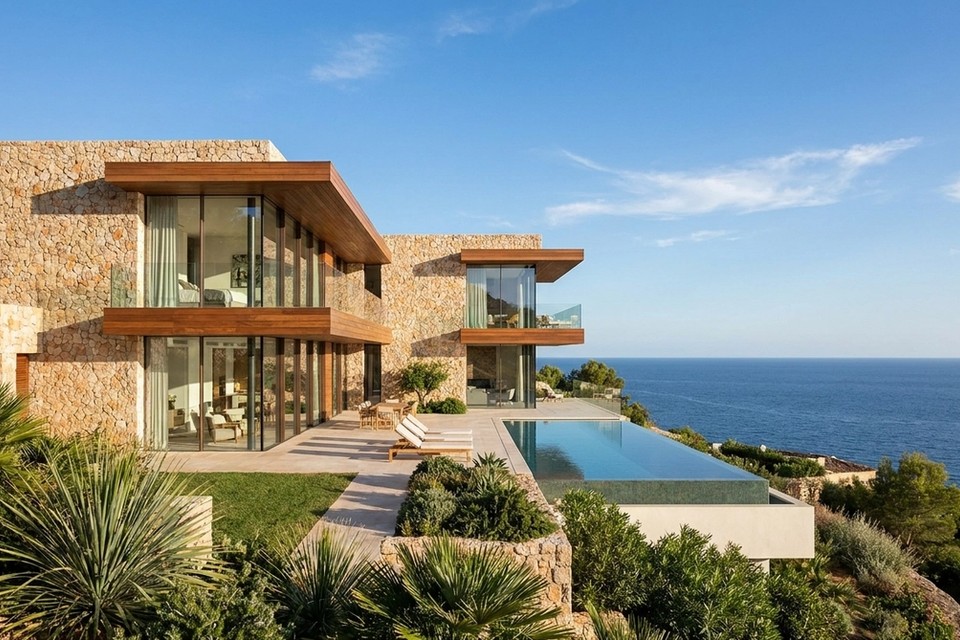
Contemporary Spanish developments prioritize what modern international buyers covet most: seamless indoor-outdoor living. Architects are focusing on open-plan layouts, floor-to-ceiling glass installations that flood interiors with natural light, and expansive terraces. Furthermore, gated communities now routinely offer resort-style amenities, including infinity pools, fully equipped gymnasiums, co-working spaces, and meticulously landscaped communal gardens.
Superior Energy Efficiency
One of the most compelling arguments for buying a new build is the dramatic improvement in energy efficiency. Governed by strict new European building regulations, newly constructed homes in Spain boast excellent Energy Performance Certificates (EPC). They typically feature state-of-the-art insulation, double or triple glazing, and modern climate control systems like aerothermal energy (aerotermia), which can significantly reduce monthly utility bills while maintaining a minimal carbon footprint.
Key Advantages of Buying Off-Plan or Newly Built
Purchasing a property directly from a developer, particularly off-plan (sobre plano), presents several distinct benefits:
- Customization Potential: Buying early in the construction phase often allows you to tailor the property to your tastes. You can typically select flooring materials, kitchen cabinetry, bathroom tiles, and sometimes even alter internal partition walls.
- Staggered Payment Structures: Off-plan purchases do not require a massive lump sum upfront. Payments are staggered throughout the construction process, giving you time to manage your finances or liquidate other assets.
- Capital Appreciation: Historically, the value of an off-plan property increases between the moment you sign the reservation contract and the day you receive the keys. You are essentially securing the property at today's price for delivery in the future.
- Robust Legal Warranties: Under the Spanish Building Act (Ley de Ordenación de la Edificación), developers must provide strict warranties: 1 year for minor finishing defects, 3 years for issues affecting habitability (like plumbing or electrical), and a 10-year structural guarantee (Seguro Decenal).

Understanding the Costs of Buying a New Build
While the allure of a pristine home is strong, financial clarity is absolutely paramount. The tax structure for a new build differs significantly from a resale property. Buyers should budget an additional 13% to 14% on top of the purchase price to cover taxes and fees.
The IVA (VAT) on New Properties
Unlike resale properties which are subject to Property Transfer Tax (ITP), new build residential properties in Spain are subject to Value Added Tax, known as IVA (Impuesto sobre el Valor Añadido). The current IVA rate for a new build home is 10% of the purchase price. Note that if you are buying in the Canary Islands, a different tax applies (IGIC), which is generally lower at 6.5%.
Stamp Duty (AJD)
Whenever IVA is applied to a property purchase, it is accompanied by Stamp Duty, known in Spain as Actos Jurídicos Documentados (AJD). This tax varies depending on the autonomous community where the property is located. For example, in the Valencia region (covering the Costa Blanca), AJD is typically 1.5%. In Andalusia (covering the Costa del Sol), it is currently set at 1.2%.
Notary, Registry, and Legal Fees
Beyond taxes, you must account for administrative and legal professionals. Notary fees are regulated by law and typically range from 0.5% to 1% of the property value. Land Registry fees will cost an additional 0.5%. Crucially, you must hire an independent Spanish lawyer (Abogado) to protect your interests. Legal fees usually range from 1% to 1.5% plus IVA.
The Purchasing Process: Step by Step
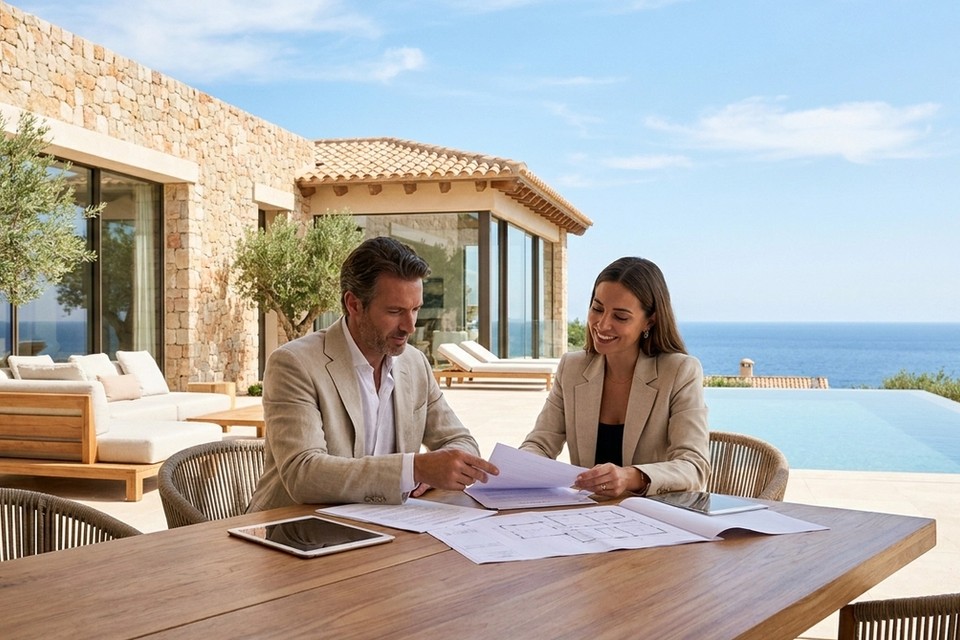
Buying off-plan follows a distinct timeline that requires careful coordination between your lawyer, the developer, and your bank.
1. Reserving Your Property
Once you have selected your ideal plot and layout, you will sign a Reservation Document (Documento de Reserva) and pay a reservation fee, typically between €3,000 and €6,000. This removes the property from the market and freezes the purchase price.
2. The Private Purchase Contract (PPC)
Within 21 to 30 days of the reservation, you and the developer will sign the Private Purchase Contract (Contrato Privado de Compraventa). At this stage, you will be expected to pay a substantial deposit, generally ranging from 20% to 30% of the purchase price, plus the corresponding 10% IVA on that amount. Your lawyer will ensure all necessary building licenses are in place before you sign.
3. Completion at the Notary
The final stage occurs when construction is fully completed and the developer has obtained the License of First Occupation (Licencia de Primera Ocupación). You will meet at the Notary's office to sign the final Title Deed (Escritura de Compraventa). The remaining balance of the purchase price (typically 70% to 80%) is paid at this time, along with the remaining taxes.

Essential Legal Protections for International Buyers
The Spanish government has implemented strict laws to protect buyers investing in unbuilt properties. However, it is your lawyer's responsibility to verify these protections are actively enforced.
- Bank Guarantees (Aval Bancario): By law, any stage payments you make to a developer during construction must be secured by a bank guarantee or an insurance policy. This ensures that if the developer goes bankrupt or fails to complete the project on time, your funds will be fully refunded.
- Building License Verification: Never sign a Private Purchase Contract or transfer 20-30% of your funds until your lawyer has confirmed the developer possesses a valid Building License (Licencia de Obras) from the local town hall.
- The NIE Requirement: As an international buyer, you must obtain a Spanish Foreigner Identity Number (NIE) and open a Spanish bank account well in advance of the final completion date.
Potential Pitfalls and How to Avoid Them
While the new build sector is highly regulated, risks remain. The most common frustration is construction delays. External factors, supply chain issues, or adverse weather can push back completion dates by several months. Your contract should clearly stipulate a penalty clause for late delivery to protect your timeline.
Additionally, visual representations (renders) provided by the developer are artistic impressions. Always refer to the technical "Quality Specifications" (Memoria de Calidades) document attached to your contract. This legal document specifies the exact brands, materials, and finishes to be used, ensuring you receive precisely what you paid for.
Conclusion
Buying a new build property in Spain offers a pathway to a luxurious, hassle-free lifestyle bathed in Mediterranean sunshine. The advantages of modern architecture, supreme energy efficiency, and long-term warranties far outweigh the complexities of the purchasing process. While the upfront taxes are slightly higher than those of resale properties, the lack of renovation costs and the strong potential for capital appreciation make off-plan and newly built homes an exceptionally wise investment.
By understanding the precise breakdown of costs, demanding strict legal protections like the Aval Bancario, and employing independent legal counsel, international buyers can confidently navigate the Spanish real estate market and secure their perfect modern dream home.