Table of Contents

For many international buyers, purchasing a resale property in Spain represents the ultimate Mediterranean dream. Older homes often boast mature, lush gardens, authentic architectural charm, and prime locations in established neighborhoods that new developments simply cannot replicate. However, beneath the beautiful terracotta tiles and rustic facades, older properties can conceal significant structural, electrical, or legal challenges.
Unlike off-plan or newly constructed homes that come with developer warranties, resale properties are typically sold 'as seen'. This places the burden of discovery entirely on the buyer. Whether you are seeking a quaint coastal apartment on the Costa Blanca or a sprawling Andalusian finca, conducting a comprehensive inspection is the most critical step before signing a preliminary contract (contrato de arras).
Why Resale Properties Require Special Attention
Spain's building regulations have evolved drastically over the last few decades. A home built in the 1980s or 1990s was constructed under entirely different codes than those enforced today. Furthermore, the intense Spanish climate—characterized by scorching summer sun and occasional, torrential autumn rains (often referred to as 'gota fría' or DANA)—places immense stress on building materials.
When assessing a property, aesthetics can be deceiving. A fresh coat of white paint on a Mediterranean villa looks stunning but can easily temporarily mask rising damp or subsidence cracks. An expert approach to property inspection separates emotional appeal from structural reality.
Essential Exterior Inspections
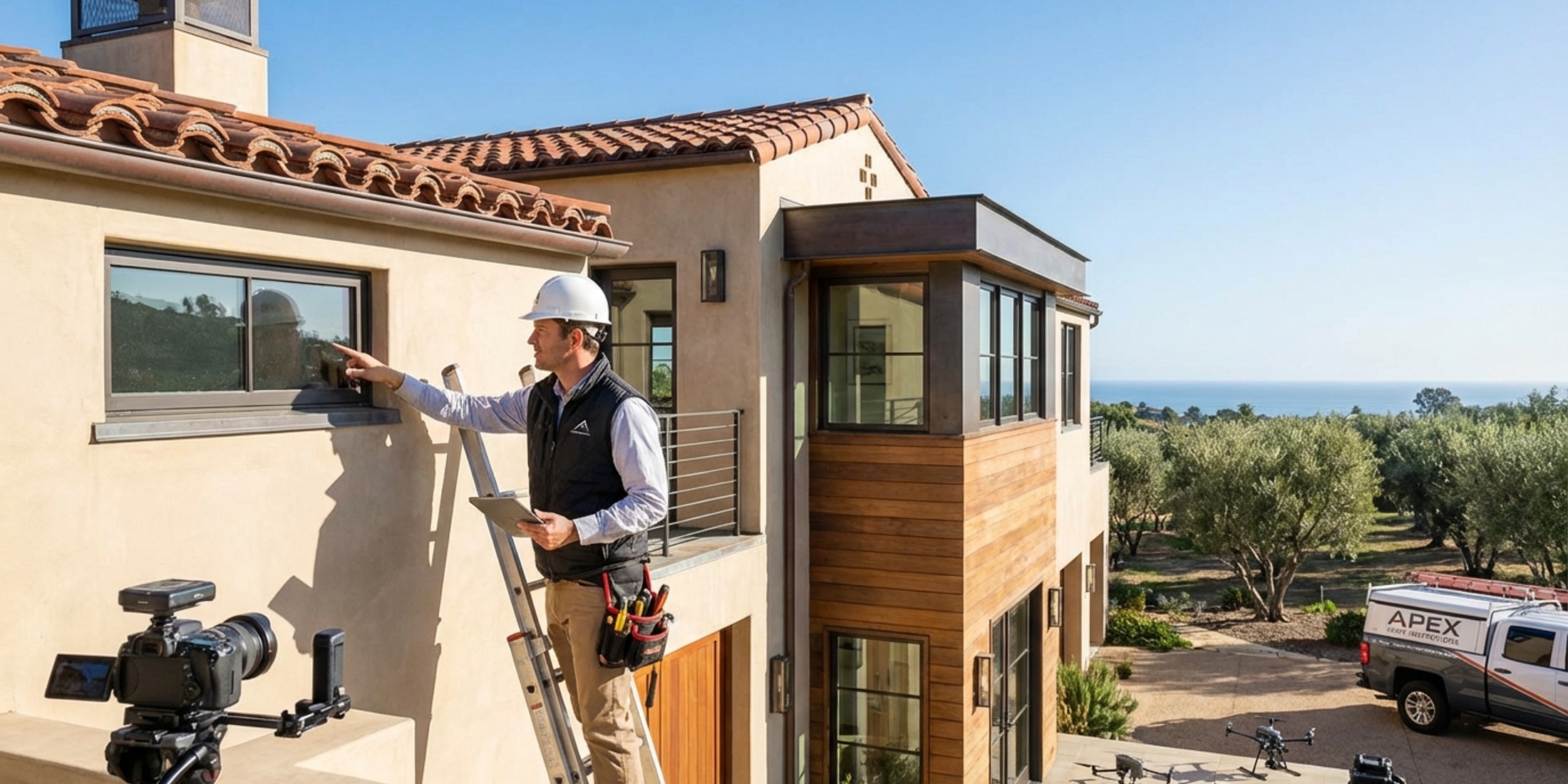
The exterior of a Spanish property is its primary defense against the elements. Start your inspection from the outside, paying close attention to the following areas:
The Roof, Terraces, and Guttering
Many Spanish homes feature flat roofs (azoteas) or traditional curved terracotta tiles. Flat roofs are particularly susceptible to pooling water if the drainage gradient is incorrect or if the waterproofing membrane has degraded over time. Look for missing or slipped tiles, and ensure that gutters are clear. Water stains on the exterior walls just beneath the roofline are a strong indicator of poor drainage.
Facades and Structural Integrity
Inspect the external render (monocapa) for significant cracking. While fine, hairline cracks are common due to minor thermal expansion, deep horizontal or stepped diagonal cracks around windows and doors can signal foundation movement or subsidence. If the property is built on a slope—common in coastal and mountainous regions—retaining walls must be scrutinized for bulging or inadequate weep holes for water pressure release.
Swimming Pools and Leisure Areas
A private pool is highly desirable, but repairs are notoriously expensive. Check the pool basin for missing mosaic tiles and cracks. More importantly, inspect the pump room (depuradora). Is there standing water? Does the equipment look heavily corroded? A poorly maintained pool system can cost thousands of euros to replace.

Critical Interior Checks
Once inside, shift your focus to the systems that make the house habitable. Older Spanish properties were often designed to stay cool in the summer, which sometimes resulted in poor winter insulation and ventilation.
Damp and Moisture
Damp is one of the most frequent issues found in Spanish resale properties, particularly those near the coast. Be on the lookout for:
- Rising Damp: Look for bubbling paint or efflorescence (white salty deposits) on the lower sections of ground-floor walls.
- Penetrating Damp: Check around window frames, external doors, and ceilings below flat roofs or terraces.
- Condensation: Poorly ventilated bathrooms and kitchens may have black mold hiding behind cabinets or in corners.
Plumbing and Electrical Systems
Test the water pressure by running multiple taps simultaneously, and check how long it takes for hot water to arrive. In older homes, original iron or lead piping may still be in place, which will eventually require a full replacement.
Electrically, ensure the property has an up-to-date electrical installation certificate (Boletín Eléctrico). Many older Spanish homes have low electrical capacity contracted with the provider (e.g., 3.3 kW). Upgrading to accommodate modern air conditioning units, induction hobs, and pool heaters requires higher capacity, which might necessitate a costly rewiring of the property to meet modern safety standards.
Legal and Documentation Checks (The Paperwork Inspection)
In Spain, a physical inspection is only half the battle. A rigorous 'paperwork inspection' is arguably even more critical. It is highly common for resale properties to have illegal or undocumented extensions—such as a converted garage, an enclosed terrace, or an added swimming pool—that do not appear on the official deeds.
Your legal representative must cross-reference the physical reality of the property with the 'Nota Simple' (Land Registry extract) and the 'Catastro' (Cadastral registry). Discrepancies between the registered square meters and the actual built area can lead to severe fines or even demolition orders from the local town hall (Ayuntamiento).
Additionally, request the Licence of First Occupation (Licencia de Primera Ocupación) or its equivalent. This document proves the property is legal for residential use and is required to legitimately connect utilities or secure a tourist rental license.

Assessing Communal Areas (Urbanizations)
If you are purchasing an apartment or a townhouse within a complex (Urbanización), your inspection must extend beyond your front door. You are buying into a Community of Owners (Comunidad de Propietarios). Inspect the condition of communal pools, elevators, gardens, and building facades.
Crucially, ask your lawyer to review the minutes from the last community meeting (Actas). These documents will reveal if there are ongoing disputes, planned major works (derramas) that will require large financial contributions from owners, or significant debts owed by neighbors.
Hiring a Professional Surveyor in Spain
While doing your own walkthrough is helpful, it does not replace the trained eye of a professional. Unlike in countries like the UK or the Netherlands, standard property surveys are not automatically initiated by mortgage lenders in Spain. The standard Spanish bank valuation (tasación) is merely a price assessment, not a structural survey.
We strongly recommend hiring an independent 'Aparejador' (technical architect) or a chartered surveyor to conduct a full structural survey. They will provide a detailed report outlining current defects, potential future problems, and estimated costs for necessary repairs. You can use this report to negotiate the purchase price or, in severe cases, to walk away from a bad investment.
Conclusion
Buying a resale property in Spain is a thrilling endeavor that allows you to own a piece of Mediterranean history and culture. However, a successful acquisition relies heavily on stripping back the romance and conducting cold, hard due diligence. By knowing exactly what to look for—from the integrity of the roof to the legality of the paperwork—you empower yourself as a buyer.
Always surround yourself with a team of independent, bilingual professionals, including a trusted real estate agent, a meticulous legal representative, and a qualified surveyor. With the right checks and balances in place, you can proceed with confidence, knowing your new Spanish home is as secure and robust as it is beautiful.