Table of Contents

As we progress through 2026, the Spanish real estate market has firmly established itself as one of the most resilient and sought-after property sectors in Europe. Following years of steady, post-pandemic recovery and subsequent booming demand, property prices across the Iberian Peninsula and its archipelagos have reached record highs. For international buyers—particularly those from the Netherlands, the United Kingdom, and Northern Europe—navigating this high-value landscape requires a nuanced understanding of localized market conditions, evolving legal frameworks, and shifting economic fundamentals.
The allure of Spain remains unchanged: over 300 days of sunshine annually, a superior quality of life, world-class infrastructure, and a relatively low cost of day-to-day living compared to Northern European counterparts. However, the financial entry point to this lifestyle has shifted. The days of widespread bargain-hunting along the prime coastlines have largely transitioned into a market defined by premium valuations, competitive bidding for top-tier properties, and a flight to quality. This article explores the driving forces behind these record prices, analyzes regional variations, and provides actionable, strategic advice for prospective buyers.
The Driving Forces Behind 2026 Record Highs
Understanding why Spanish property prices have surged to historical peaks is the first step in formulating a successful purchasing strategy. The 2026 market is not driven by the speculative bubbles of the mid-2000s; rather, it is anchored by solid, foundational shifts in demographics, supply chain economics, and lifestyle choices.
Sustained International and Domestic Demand
International buyers continue to be the primary engine for high-end coastal and island property markets. Dutch and British buyers, alongside a surging demographic of North American investors, are increasingly treating Spain not just as a holiday destination, but as a primary residence or a dual-living base. The permanent shift toward remote work and digital nomadism has uncoupled geographical location from career progression for many high-net-worth individuals, making the Spanish lifestyle highly accessible.
Chronic Supply Constraints
While demand has surged, supply has remained stubbornly constrained. The pace of new construction has not kept up with the influx of buyers. Strict zoning laws, ecological protections along the coastlines, and a general scarcity of prime, buildable land have inherently limited the number of new developments. Furthermore, the construction sector continues to grapple with increased costs for sustainable materials and a shortage of skilled labor, pushing developers to focus almost exclusively on high-margin, luxury projects rather than middle-market housing.

Regional Price Variations: Where is the Market Peaking?
Spain is not a monolithic real estate market. The record highs reported in national statistics are disproportionately driven by specific 'golden zones' while other regions experience more moderate, sustainable growth. For international buyers, identifying the phase of the property cycle in a chosen region is critical for value assessment.
Costa del Sol and Andalusia
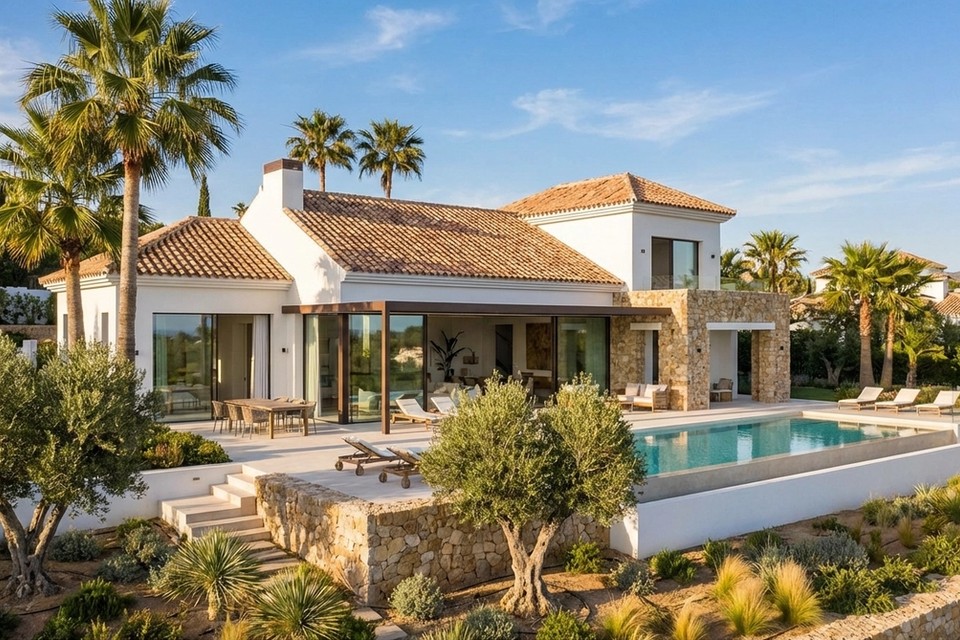
The Costa del Sol, particularly the Golden Triangle encompassing Marbella, Estepona, and Benahavís, remains the epicenter of Spain’s luxury boom in 2026. Prices here have breached the €6,000 per square meter mark for prime properties, driven by heavy investment in regional infrastructure, international schools, and ultra-luxury branded residences. Estepona, once considered the more affordable alternative to Marbella, has seen astronomical growth, transforming into a premium destination in its own right. Buyers looking here must be prepared for swift, decisive action, as inventory turnaround times are historically brief.
Costa Blanca and the Valencia Region
The Costa Blanca offers a highly compelling proposition for 2026. While prices in traditional hotspots like Jávea, Moraira, and Altea have climbed to record highs, the region as a whole still offers a more accessible entry point compared to the Costa del Sol. The northern Costa Blanca is favored by Dutch and British buyers seeking dramatic coastal scenery and established expat communities. Meanwhile, the southern Costa Blanca (around Torrevieja and Orihuela Costa) continues to provide excellent value, particularly for new-build apartments and townhouses, making it an attractive option for investors focused on rental yields.
The Balearic and Canary Islands
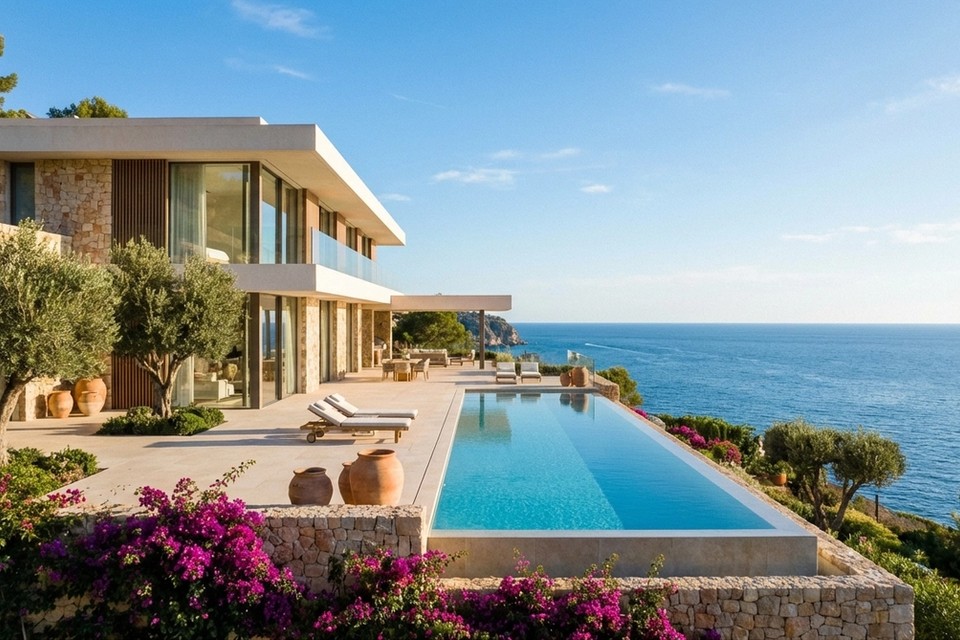
The islands face the most acute supply-demand imbalances in all of Spain. In Mallorca and Ibiza, geographical constraints mean new building licenses are exceptionally rare, pushing existing luxury properties into the stratosphere. Prices in prime Mallorcan postcodes easily exceed €10,000 per square meter. Similarly, the Canary Islands—particularly Tenerife and Gran Canaria—have seen surging prices as digital nomads and winter-sun seekers compete for limited coastal inventory. Buyers in these regions are increasingly purchasing older properties for comprehensive, high-end renovations.
The Impact of Interest Rates and Financing
The macroeconomic environment of 2026 plays a pivotal role in property valuations. Following the volatility of previous years, the European Central Bank (ECB) has settled into a stabilized, albeit higher, interest rate plateau. This normalization has restored confidence to the lending market, though mortgage criteria remain stringent.
For international buyers requiring financing, it is important to understand the current parameters of Spanish lending:
- Non-Resident Loan-to-Value (LTV): Spanish banks typically cap non-resident mortgages at 60% to 70% of the property's purchase price or valuation (whichever is lower).
- Fixed vs. Variable: With stabilized rates, banks are highly competitive on fixed-rate mortgage products, allowing buyers to lock in predictable monthly costs in a high-value market.
- Green Mortgages: Properties boasting high Energy Performance Certificates (EPCs) often qualify for 'green mortgages,' which offer preferential interest rates—a crucial consideration given the premium on eco-friendly new builds.

Strategic Advice for Dutch and English Buyers
Entering a market at record highs can induce hesitation, but strategic investors recognize that real estate is a long-term wealth preservation tool. For Dutch and English buyers looking to acquire Spanish property in 2026, a refined approach is necessary to ensure value and security.
Timing Your Purchase and Preparation
In a highly competitive market, preparation equals power. Before viewing properties, international buyers must secure their NIE (Número de Identidad de Extranjero), open a Spanish bank account, and obtain formal mortgage pre-approval if financing is required. Sellers and developers in 2026 are prioritizing buyers who can proceed without delay. When a prime property enters the market, the window for negotiation is exceptionally narrow; being legally and financially ready to submit a binding offer is your greatest advantage.
Looking Beyond the Prime Hotspots
If the prime coastal epicenters stretch beyond your risk tolerance or budget, 2026 is the year to explore immediate inland territories and emerging coastal municipalities. Moving just 15 to 20 minutes inland from the coast can yield substantial discounts on square meterage while offering larger plots and increased privacy.
- Andalusia Inland: Towns like Mijas Pueblo, Alhaurín el Grande, and the surrounding Valle del Guadalhorce are experiencing a renaissance, offering authentic Spanish charm within close proximity to Málaga’s international airport.
- Costa Blanca North Inland: The Jalón and Orba valleys provide stunning mountainous backdrops, excellent cycling and hiking routes, and spacious rustic fincas at a fraction of the cost of a frontline villa in Moraira.
- Costa Cálida (Murcia): Bordering the Costa Blanca to the south, the Murcia region is rapidly developing its infrastructure and offers some of the most competitive property prices on the Mediterranean coastline.
Legal and Tax Considerations in a High-Value Market
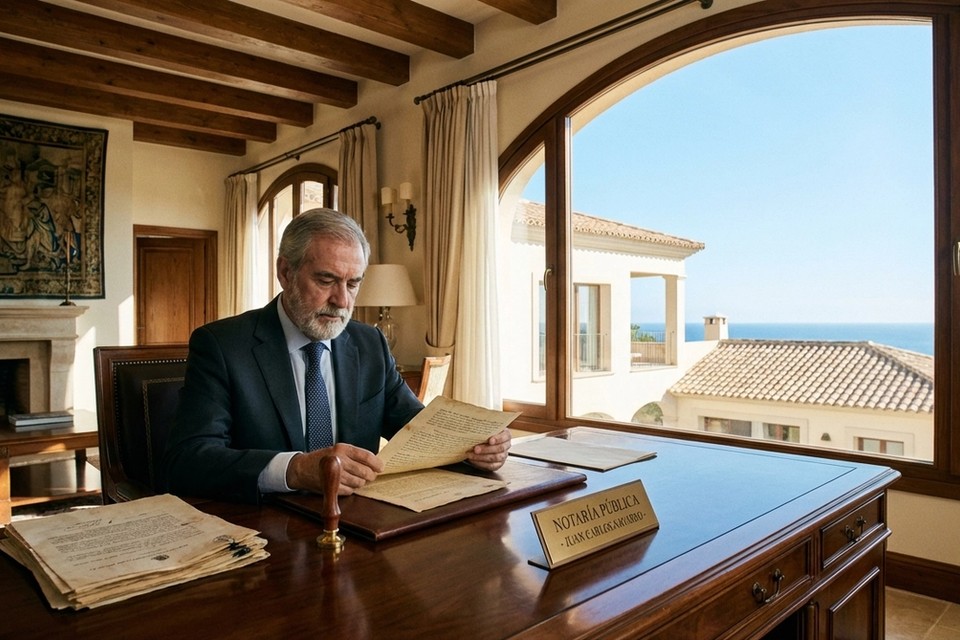
As property values rise, the implications of Spanish property taxes become more pronounced. International buyers must account for an additional 10% to 14% on top of the purchase price to cover taxes, notary fees, and legal costs. The exact percentage depends on whether the property is a new build (subject to 10% VAT/IVA) or a resale property (subject to Property Transfer Tax/ITP, which varies by autonomous community).
Navigating Regional Tax Policies
Spain's decentralized tax system means your location dictates your tax burden. In recent years, regions like Andalusia and Madrid have implemented highly favorable tax regimes to attract foreign wealth, effectively abolishing the Wealth Tax (Impuesto sobre el Patrimonio) for most investors and reducing the ITP. Conversely, regions like the Balearic Islands and Catalonia maintain higher tax brackets. When buying at 2026 record highs, consulting with an independent, bilingual Spanish tax lawyer is non-negotiable to structure your purchase efficiently and mitigate future liabilities.
Conclusion: Making Informed Decisions in 2026
The Spanish property market in 2026 is defined by high demand, constrained supply, and record-breaking valuations. While the entry costs have risen, the underlying fundamentals that make Spain a premium global destination remain stronger than ever. Excellent infrastructure, a peerless climate, and a highly desirable lifestyle ensure that Spanish real estate retains its status as a robust asset class.
For Dutch, English, and other international buyers, success in this elevated market requires pivoting away from speculative bargain-hunting toward strategic, quality-focused investments. By securing financing early, expanding geographical search parameters to include emerging inland or secondary coastal zones, and utilizing localized legal and tax expertise, buyers can confidently navigate the 2026 highs. Ultimately, purchasing property in Spain is an investment in unparalleled lifestyle dividends—a commodity that, regardless of market peaks, remains highly prized.