Table of Contents

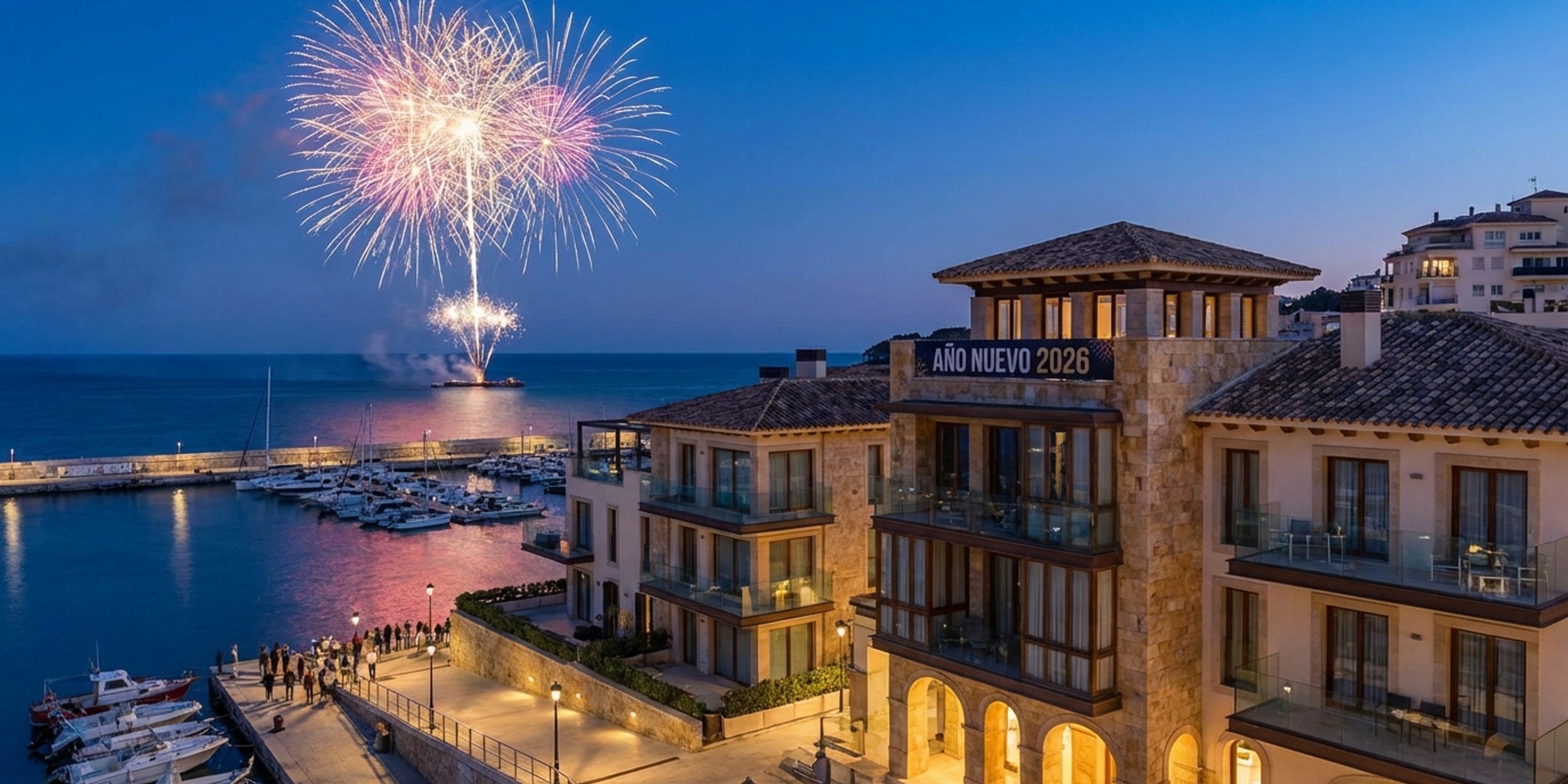
As the calendar turns towards 2026, the atmosphere in Spain shifts from the solemnity of Christmas to the exuberant anticipation of 'Nochevieja' (Old Night). For international residents and prospective property buyers, spending New Year’s Eve in Spain offers a profound glimpse into the local culture—a blend of joyous street parties, family intimacy, and unique superstitions that ensure luck for the year ahead.
Unlike the frigid, often indoor celebrations typical of Northern Europe, Spain’s temperate winter climate allows for a celebration that spills out onto town squares and terraces. Whether you are in a penthouse in Alicante or a villa in Marbella, understanding these traditions will help you transition from a visitor to a true local.
The 12 Grapes of Luck (Las Doce Uvas)
If there is one non-negotiable tradition in Spain, it is the eating of the twelve grapes. As the clock approaches midnight on December 31, 2025, millions of Spaniards will be glued to their televisions watching the broadcast from Madrid’s Puerta del Sol, or standing in their local town square.
The ritual is precise: you must eat one grape for each chime of the clock at midnight. These are not the 'quarters' (los cuartos) that sound before the hour—mistaking these for the actual chimes is a common error for newcomers! The goal is to finish all twelve grapes, which represent good luck for each month of 2026, before the clock stops striking. It is a moment of frantic chewing, laughter, and camaraderie.

Nochevieja Dinner: A Culinary Marathon
Before the midnight rituals, families and friends gather for a feast that often rivals Christmas dinner. In 2025, with New Year's Eve falling on a Wednesday, expect markets to be bustling earlier in the week as locals prepare.
The menu typically leans heavily towards high-end seafood. Prawns (gambas), langoustines, and lobster are staples on the Mediterranean coast. This is usually followed by a roast, often lamb (cordero) or suckling pig (cochinillo). And, of course, the toast is always made with Cava, Spain’s sparkling wine, rather than French Champagne. For the discerning homeowner, stocking a cellar with a vintage Cava from the Penedès region is a mark of refinement.
Red Underwear and Gold in the Glass
Superstition plays a delightful role in Spanish celebrations. If you are looking to fully integrate into the Spanish way of life for 2026, take note of these customs:
- Red Underwear: It is said to bring passion and love for the coming year. The catch? The underwear must be a gift; you cannot buy it for yourself.
- Gold in the Glass: For financial prosperity in 2026, drop a gold ring or coin into your glass of Cava before the midnight toast. You must drink the whole glass (and retrieve the object!) to seal the luck.
- Start on the Right Foot: Literally. Many Spaniards believe you must take your first step after midnight with your right foot to ensure the year goes well.
Coastal Celebrations: Where to Be in 2026
While Madrid is the televised center of the action, the coastal regions offer a unique allure for international property owners. The celebrations here combine the festive spirit with the relaxed Mediterranean lifestyle.
The Costa Blanca (Alicante & Benidorm)
Alicante’s Plaza del Ayuntamiento is a hub of activity. However, many expats prefer the organized galas in luxury hotels or golf resorts, which offer a 'Cotillón' package (dinner, grapes, and party). Benidorm offers a massive open-air celebration on Levante Beach, proving that winter on the Costa Blanca is mild enough for outdoor partying.
The Costa del Sol (Marbella & Malaga)
Marbella offers a sophisticated Nochevieja. The Plaza de los Naranjos in the Old Town is magical, filled with locals and residents. For a more exclusive experience, the beach clubs and high-end restaurants of Puerto Banús host events that run until dawn, often featuring international DJs.

New Year’s Day 2026: Chocolate con Churros
The party in Spain often lasts until the early hours of the morning. As such, New Year’s Day (Año Nuevo) is a quiet, restful public holiday. The traditional breakfast before heading to sleep—or after waking up late—is 'Chocolate con Churros'. It is the ultimate comfort food to welcome 2026.
On the coast, another growing tradition among the brave (and Northern Europeans!) is the 'Primer Baño'—the first swim of the year. While the Mediterranean is cool in January, the winter sun often shines brightly, making a quick dip followed by a warm towel a refreshing way to reset.
Conclusion: A Lifestyle Investment
Experiencing New Year in Spain is about more than just a party; it is about community, optimism, and enjoying life outdoors even in the depths of winter. For those considering purchasing property, the 2026 holiday season is the perfect time to visit. It allows you to see the coast not just as a summer destination, but as a vibrant, year-round home.
Whether you choose the golden miles of Marbella or the white coast of Alicante, ringing in 2026 in Spain might just be the best resolution you make. Feliz Año Nuevo!